
Last updated October 30, 2026
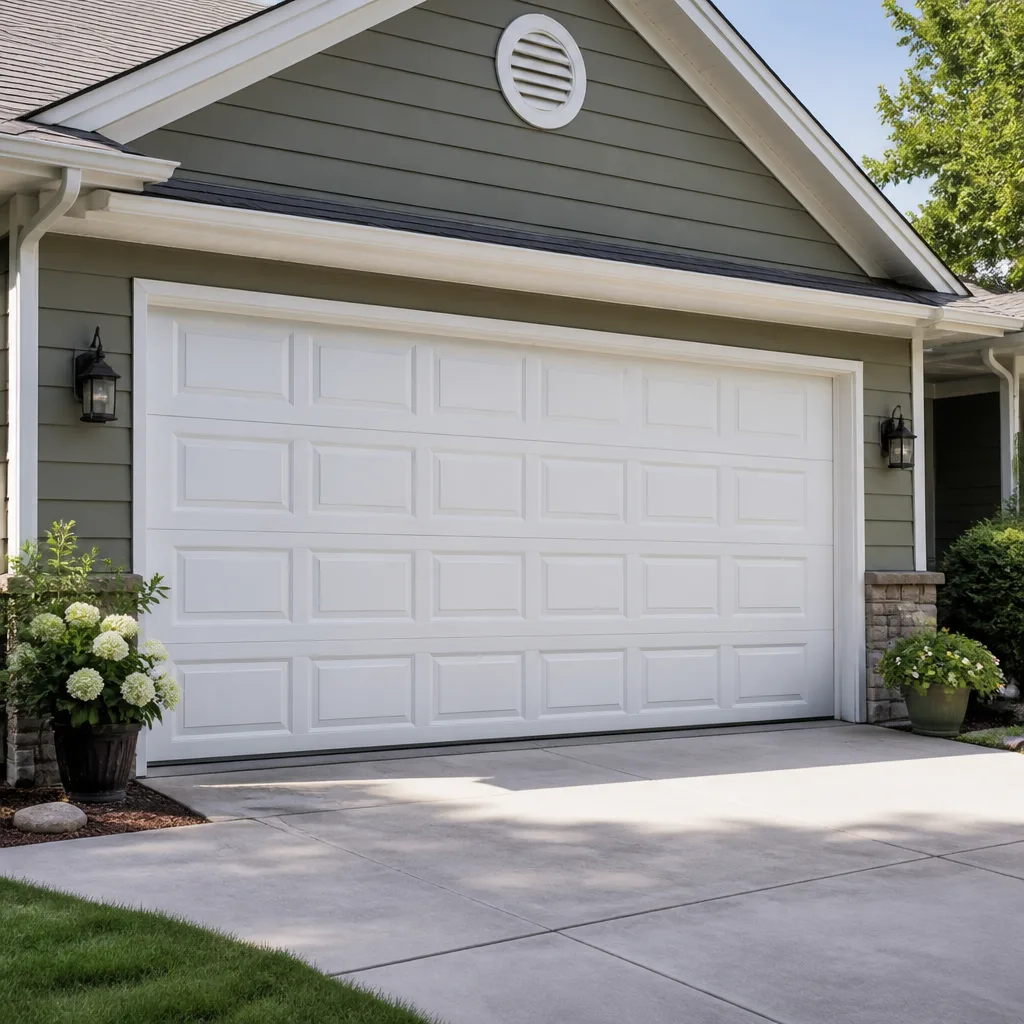 Raised-panel steel
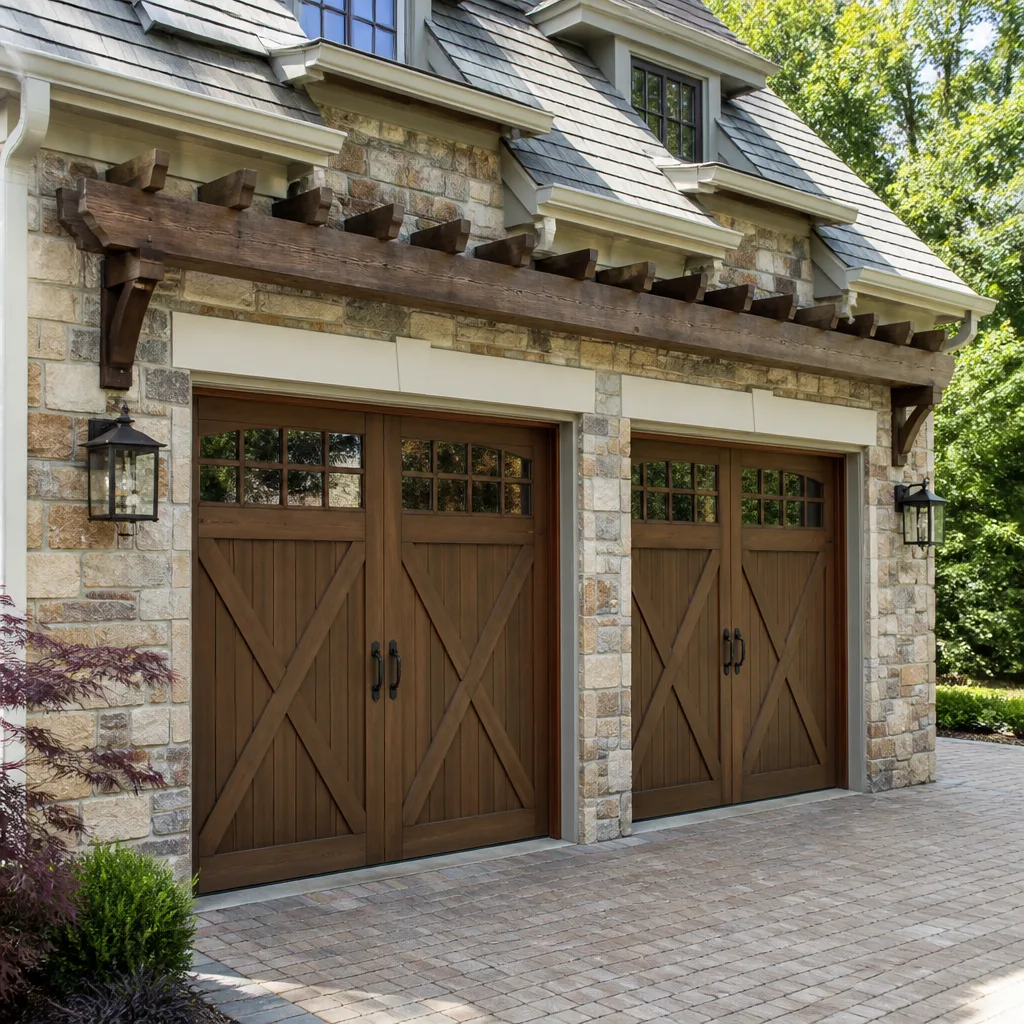 Carriage house
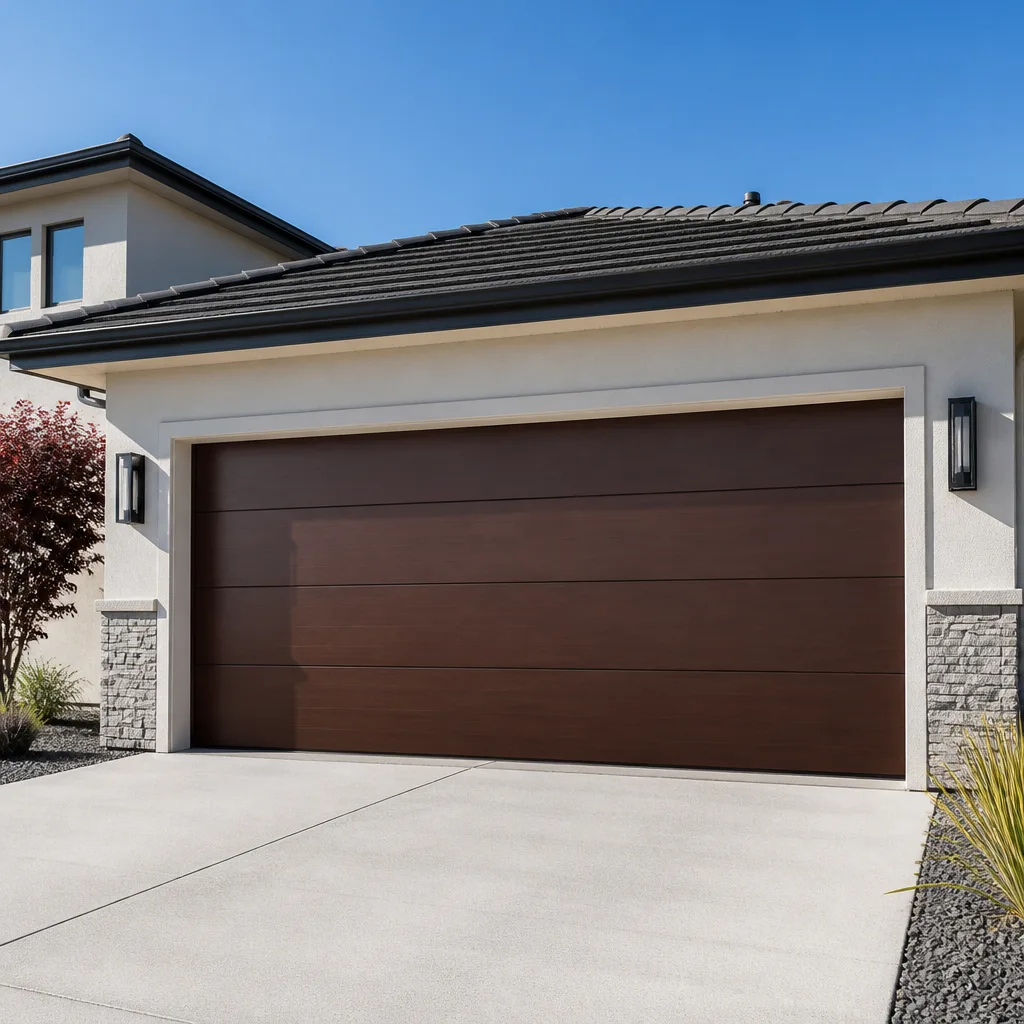 Modern flush
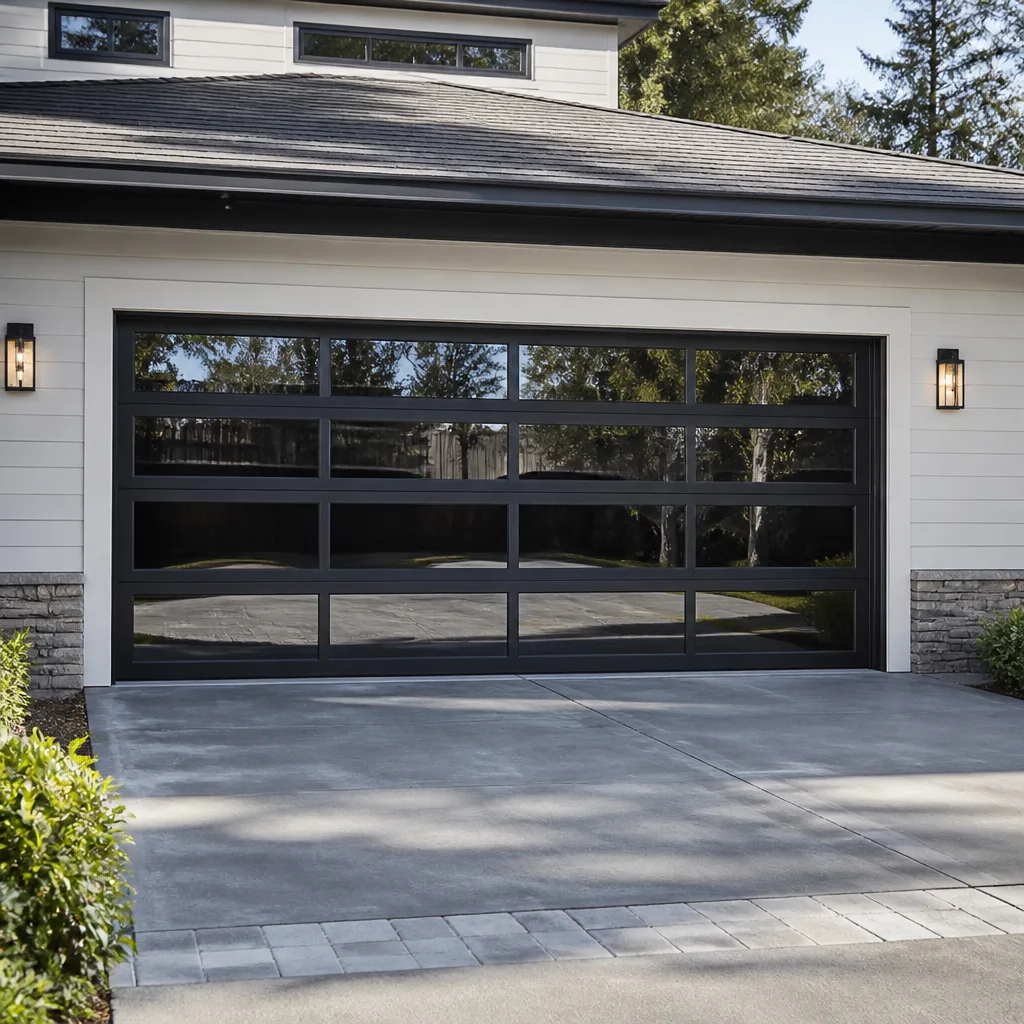 Full-view glass
 LiftMaster openers
 Chamberlain openers
Full 25-point door and opener safety check with every visit - springs, cables, rollers, tracks, and your LiftMaster or Chamberlain opener included
You get a price before we start. It does not change when the truck arrives.
Get your free estimateGarage Door Permits, Codes & Inspections in FL: What You Need to Know
Here’s a number most Sarasota homeowners never see coming: four times. That’s how much more it costs to remediate an unpermitted garage door replacement at closing compared to pulling the permit in the first place. County home inspectors are flagging garage door work on real estate transactions with increasing frequency, and the Florida Building Code’s wind-load requirements make our market one of the strictest in the country. In this guide and our Garage Door Repair Troubleshooting: Common Problems and How to Fix Them, you’ll learn exactly when a permit is required, which work falls under like-for-like replacement exemptions, what inspectors check, and how a non-compliant door affects your insurance claim after a storm. We’ll cover the Sarasota County specifics most generic guides miss.
Quick Answer
In Florida, any garage door replacement that changes the structural opening, door weight, or wind-load rating requires a building permit. In Sarasota County specifically, like-for-like replacements of the door panels alone are often exempt, but swapping the entire door assembly, changing the track system, or upgrading to a heavier hurricane-rated model triggers permit requirements under Florida Building Code Section 1609. Permits for a standard replacement door in Sarasota County typically run $150 to $400, and inspections fail most often on missed wind-load documentation and improper anchor fastening.
Styles & brands we work with
Table of Contents
- What Actually Requires a Permit in Sarasota County
- Florida Building Code Section 1609: Wind-Load Requirements Explained
- Door Specifications a Sarasota Homeowner Must Verify Before Purchase
- The Inspection Sequence: What a Sarasota County Inspector Checks
- Hurricane-Rated Labeling: Why “Hurricane Resistant” Isn’t Enough
- Insurance Claims and Non-Compliant Door Installations
- What Permits Cost in Sarasota County
- Resale Liability: What Happens When Unpermitted Work Gets Flagged
What Actually Requires a Permit in Sarasota County
The threshold most homeowners get wrong is this: a permit is not about whether the work is visible. It’s about whether the work changes the structural characteristics of the opening. Sarasota County follows Florida Building Code Chapter 1, which requires a permit for any garage door work that changes the door’s size, weight, wind-load rating, or the manner in which it’s attached to the structure.
Here’s the practical breakdown of what does and doesn’t require a permit:
- Permit required: Full door and track replacement where the new assembly weighs more than the old one, changes to the rough opening dimensions, converting a single door to a double door, installing a new door where none existed, and replacing a non-impact door with an impact-rated door that carries a different structural load path.
- Permit required: Any change to the header above the door, the jamb construction, or the anchor points where the track mounts to the wall.
- No permit required: Replacing individual panels on the existing track system when the door weight stays within original specifications, replacing rollers, hinges, springs, or weatherstripping, and replacing an opener motor or drive assembly.
- Gray zone worth confirming: Replacing the entire door with a model of equivalent weight and wind-load rating on the existing track. Sarasota County building department staff can confirm whether your specific situation qualifies as like-for-like in a quick phone call, and we’ve found they’re straightforward about it.
The mistake we see most often is homeowners assuming that because the door opening didn’t change, no permit is needed. That’s only true when the new door is functionally identical to the old one in weight and wind resistance. Upgrade from a 25-gauge steel door to a heavier 24-gauge or add glass insulation, and you’ve triggered the requirement. For reference on door types and their changing role in home performance, see our Garage Door Installation in Sarasota page.
Florida Building Code Section 1609: Wind-Load Requirements Explained
Florida Building Code Section 1609 governs structural design loads, and for garage doors, the operative requirement is that the door assembly must resist the design wind pressures specific to your wind speed map. Sarasota County sits in a high-velocity hurricane zone where the design wind speed exceeds 140 mph in some areas, which means garage doors are treated as structural components, not accessories. That’s not true in most of the country, and it’s the core reason permits exist for door work here.
The section breaks down like this:
- Wind speed mapping: Figure 1609.3 assigns risk category wind speeds by geography. Sarasota County falls into ranges requiring doors rated for 150 mph or higher depending on exact address and exposure category. The county’s coastal exposure zones demand the most stringent ratings.
- Components and cladding: Section 1609.1.2 treats garage doors as components and cladding, which means they must resist both inward and outward pressure. Outward pressure is what you feel when a hurricane passes and the pressure differential tries to suck the door off its tracks.
- Impact protection: For wind-borne debris regions, the code requires either impact-rated door construction or an approved shutter system covering the door. Impact-rated means the door has passed missile impact testing at 9 pounds traveling 34 mph for large missiles.
- Test documentation: Section 1609.1.2.1 requires that doors in wind-borne debris regions have documentation showing compliance with either ASTM E1996 or Miami-Dade County testing protocols. That’s the piece inspectors ask for.
What this means in practice: when you buy a garage door in Sarasota, the door itself must have an approved product approval document listing its wind-load capacity. The installer must anchor it with fasteners and in a pattern that transfers the load properly to the structure. A door rated for 150 mph is only as good as the anchors holding it, and half the failed inspections we hear about are anchor-pattern issues, not door-rating issues.
We work across brands like LiftMaster and Chamberlain for openers, but the wind-load requirements apply to the door slab and track system regardless of who manufactured it. The code doesn’t care about the brand name. It cares about the test report.
Door Specifications a Sarasota Homeowner Must Verify Before Purchase
Before you buy any replacement garage door in Sarasota County, review our Garage Door Repair Maintenance Checklist for Sarasota Homeowners for five specifications you need to confirm on the product approval document. Missing any one of these is going to surface at some point, either during the inspection or later when you try to sell the house or file an insurance claim.
Here’s your pre-purchase checklist:
- Design pressure rating: Listed as DP in pounds per square foot. For Sarasota County’s wind zone, you’ll generally need a door rated for at least +55/-55 psf, and higher in coastal exposure zones. The rating must appear on the product approval, not just in a marketing brochure.
- Florida Product Approval number: Every compliant door assembly has an FL number issued by the Florida Building Commission. This number is what the inspector looks up to verify compliance. If the door doesn’t have one, it cannot be installed legally in Sarasota County.
- Impact rating status: The approval document will state whether the door is impact-rated or non-impact-rated. Non-impact doors in wind-borne debris regions require a shutter or screen system rated to the same standard. That’s a significant additional cost, so know this before you order.
- Anchor schedule compatibility: The product approval lists the required fastener type, spacing, and embedment depth for the track and jamb brackets. Your wall construction must match. A masonry-block home uses different anchors than a wood-frame home, and the approval must cover your wall type.
- Door weight against spring and track capacity: This is where we see a lot of close calls. A heavier hurricane-rated door on an existing spring assembly rated for a lighter door shortens spring life and creates balance problems. The code doesn’t explicitly require a spring upgrade, but a door that won’t stay balanced isn’t compliant in practice, because it won’t operate as its approval assumes.
Sarasota homes built before the 2002 Florida Building Code update often have headers and jambs that were never designed for the loads of a modern impact door. If you’re in an older neighborhood like Gillespie Park or up in Whitfield Estates, a pre-installation jamb inspection matters more than the door brochure.
One more thing: when you’re looking at opener options from brands like Genie or Chamberlain, the wind-load compliance is entirely about the door itself. The opener isn’t a structural component and doesn’t factor into the permit or inspection. It does factor into how the door operates under load, but the code treats the opener as a convenience device, not a reinforcement system.
The Inspection Sequence: What a Sarasota County Inspector Checks
A permitted garage door installation in Sarasota County follows a predictable inspection sequence, and understanding what the inspector actually looks for saves you from rework and reinspection fees. The process typically has two inspection points, though sometimes the county combines them on smaller projects.
Here’s the step-by-step of what happens after the permit is issued:
- Rough opening / pre-installation inspection: If the project involves structural changes, the inspector visits before the door goes in to check the header, jamb condition, and any reinforcing you’ve added. For simple replacements with no structural changes, this inspection is often waived.
- Installation: The door, track, springs, and opener go in according to the manufacturer’s installation instructions and the product approval’s anchor schedule.
- Final inspection: The inspector returns to verify the completed work. This is the inspection that matters most, and it covers specific items:
- Product approval verification: The inspector checks the FL product approval number against the door that’s installed. If the door on the wall doesn’t match the approval on the permit, it fails.
- Anchor fastening: They’ll check that fasteners match the approval’s type, spacing, and embedment. This often involves visual inspection of accessible brackets and, in some cases, asking for photos of fasteners before trim was applied.
- Wind-load compliance label: The door must display its wind-load rating label on a visible surface. This label stays on the door permanently, and the inspector checks that it’s present and legible.
- Operation and balance: The door must open and close smoothly, stay in place at mid-travel when released, and the safety reverse on the opener must function. The garage door is one of the few code-inspected items where operational behavior matters as much as installation static qualities.
- Weather sealing and flashing: For exterior openings, the inspector checks that flashing and sealing prevent water intrusion, which matters more in Sarasota’s rainy season than in drier markets.
If something fails, you’ll get a correction notice with a specific list of items. Each reinspection in Sarasota County carries an additional fee, so the goal is to get it right the first time. That’s why choosing an installer who has done permitted work in Sarasota matters – the common failure points are well known to anyone who’s been through the process repeatedly.
Hurricane-Rated Labeling: Why “Hurricane Resistant” Isn’t Enough
Here’s a distinction that causes more confusion than any other topic in garage door permitting: “hurricane resistant” as a marketing term means nothing in the eyes of Sarasota County code enforcement. What matters is the Florida Product Approval and the specific test standard the door passed. A door can be labeled “hurricane resistant” in a big-box store aisle and still fail to meet Sarasota County’s wind zone requirements.
The test standards that actually matter:
- ASTM E1996 and ASTM E1886: These are the primary missile impact and cyclic pressure test standards referenced by Florida code. A compliant impact door has passed a 9-pound 2×4 fired at 34 mph at multiple points across the door surface, followed by cyclic wind pressure testing.
- Miami-Dade County protocols: Historically the gold standard, and many doors carry a Miami-Dade NOA (Notice of Acceptance). These are generally accepted in Sarasota County, but a Miami-Dade approval alone isn’t sufficient; the door must also have a Florida Product Approval for use in the state.
- TAS 201, 202, and 203: The Florida testing application standards that align with the ASTM methods. These are the standards specific to Florida’s high-velocity hurricane zones.
The practical test for any Sarasota homeowner: ask for the FL number. If the seller can’t produce a Florida Product Approval document with the design pressure rating clearly listed, the door isn’t compliant for our wind zone, regardless of what the packaging says. This applies to doors from any manufacturer, whether it’s a Clopay door or an Amarr door or a lesser-known brand. What matters is the state approval, not the marketing language.
We also see the inverse situation: homeowners with high-end doors that carry proper approvals, but the installation itself compromised the rating. A door that’s impact-rated on paper loses its effectiveness if the track is anchored with the wrong fasteners or the jamb brackets aren’t attached to structural wood or masonry. The label is the door’s promise. The installation is whether that promise holds.
Insurance Claims and Non-Compliant Door Installations
The insurance conversation is where the code discussion gets expensive. Florida Statute and standard homeowner’s policy language both give insurers grounds to partially or fully deny claims when a loss involves work done without required permits or in violation of the building code. A garage door that fails during a hurricane is a prime example.
Here’s how the denial pathway works:
- Storm event: The door fails, and the failure allows wind and water into the garage, which damages the structure, contents, and potentially the roof through pressurization.
- Claim filed: You report wind damage and file for repairs.
- Adjuster inspection: The adjuster or their engineer looks at the door. If it’s a non-impact door in a wind-borne debris region without an approved shutter system, or if the installation lacks a permit record, the claim gets flagged.
- Coverage determination: The insurer may deny the door replacement itself and, more seriously, may limit coverage for interior damage attributable to the door failure. The argument is that the non-compliant door was a pre-existing condition that contributed to the loss.
- Appeal process: You can fight it, but you’re fighting from a weak position if the door lacked the required permit and approval documentation.
The reverse is also true: a properly permitted, impact-rated door installation with complete documentation actually supports your claim after a storm. The permit record establishes that the door met code at the time of installation, and the product approval establishes its design limits. That paper trail is worth far more than the permit fee it cost.
In our experience across the Sarasota garage door repair market, the homeowners most surprised by claim problems are those who bought homes with unpermitted door installations done by previous owners. The liability transfers. What the previous owner skipped becomes your problem when the hurricane hits or when you list the property for sale.
What Permits Cost in Sarasota County
Permit costs in Sarasota County vary based on the valuation of the work, but for a standard residential garage door replacement, expect to pay between $150 and $400 in permit fees. That’s the permit itself, not including plan review fees if plans are required, and not including reinspection fees if something fails.
A realistic breakdown for a typical permitted garage door replacement in Sarasota:
- Permit application fee: $75 to $150 depending on the work valuation
- Plan review fee (if structural changes involved): $50 to $150 (often waived for simple like-for-like replacements with approved products)
- Inspection fees: $50 to $100 per inspection (usually one or two inspections for a standard replacement)
- Surcharges and administrative fees: $25 to $75 depending on current county schedules
For context: the remediation cost at resale for an unpermitted door replacement typically runs $1,000 to $2,000 once you account for retroactive permitting, potential engineering review, partial reinstallation if anchors don’t meet current code, and the time required. That’s the four-times figure from the top of this guide made concrete.
The permit is the cheapest part of the entire project. The door its
elf, the installation labor, the opener, and the disposal all cost more than the state’s fee to make it legal. When a homeowner asks us whether the permit is worth it, the answer writes itself.
Resale Liability: What Happens When Unpermitted Work Gets Flagged
Sarasota County’s real estate market is active enough that home inspectors have developed specific patterns for what they flag. Unpermitted garage door replacements are on their list because the permit history is checkable in minutes through the county’s public records. The inspector pulls permit records for the address, sees a door that looks newer than the last permitted work, and writes it up.
What happens next is not hypothetical. We’ve seen the sequence play out many times:
- Inspection report: The buyer’s inspector notes an apparent unpermitted garage door replacement with a recommendation to verify permit status.
- Buyer’s agent request: The buyer requests either proof of permit or a credit at closing to cover remediation costs.
- Title company involvement: In some transactions, the title company requires resolution of open permit issues before closing, because unpermitted work represents a potential title defect in Florida’s disclosure-heavy market.
- Negotiation result: The seller either pays for retroactive permitting (which often requires exposing anchor points for inspection) or credits the buyer. Both options cost more than the original permit.
- Worst case: If the door installation is genuinely non-compliant with current wind-load requirements, the retroactive fix is a full door replacement, and the seller pays for that too.
There’s also the disclosure form. Florida’s seller disclosure requirements ask about known defects and unpermitted work. Once you know the door was installed without a permit, not disclosing it creates its own liability. The cleanest path is simply to pull the permit when the work is done, keep the documentation, and have nothing to disclose.
Common Mistakes to Avoid
- Assuming all replacement work is like-for-like exempt: The key factors are weight and wind-load rating. If the new door is heavier or has a different pressure rating, the exemption doesn’t apply, and the permit is required.
- Trusting “hurricane resistant” marketing language without checking the FL number: Marketing terms are not compliance standards. Only a Florida Product Approval document proves a door meets Sarasota County’s wind zone requirements.
- Skipping the anchor schedule: A compliant door on the wrong fasteners is a non-compliant installation. The product approval specifies fastener type, spacing, and embedment, and inspectors check those details.
- Not keeping permit documentation after the inspection passes: The paper trail is the asset. You’ll need it for insurance claims and for resale. Store the permit record, the product approval, and the final inspection sign-off with your house documents.
- Buying a door online without verifying Florida approval first: A door that’s legal in Georgia or Texas may have no approval at all in Florida. Ordering it, shipping it, and then discovering it can’t be legally installed is an expensive sequence.
- Replacing the door but keeping a spring system rated for the old door’s weight: A heavier door on lighter-duty springs wears out fast and won’t balance correctly. The spring system has to match the new door weight, and the code’s operational requirements assume a balanced door.
- Not checking exposure category before specifying a door: Sarasota County has multiple wind exposure zones. A door that meets code in a sheltered inland location may not meet the higher requirements within a mile of the coast. Address matters.
See the difference
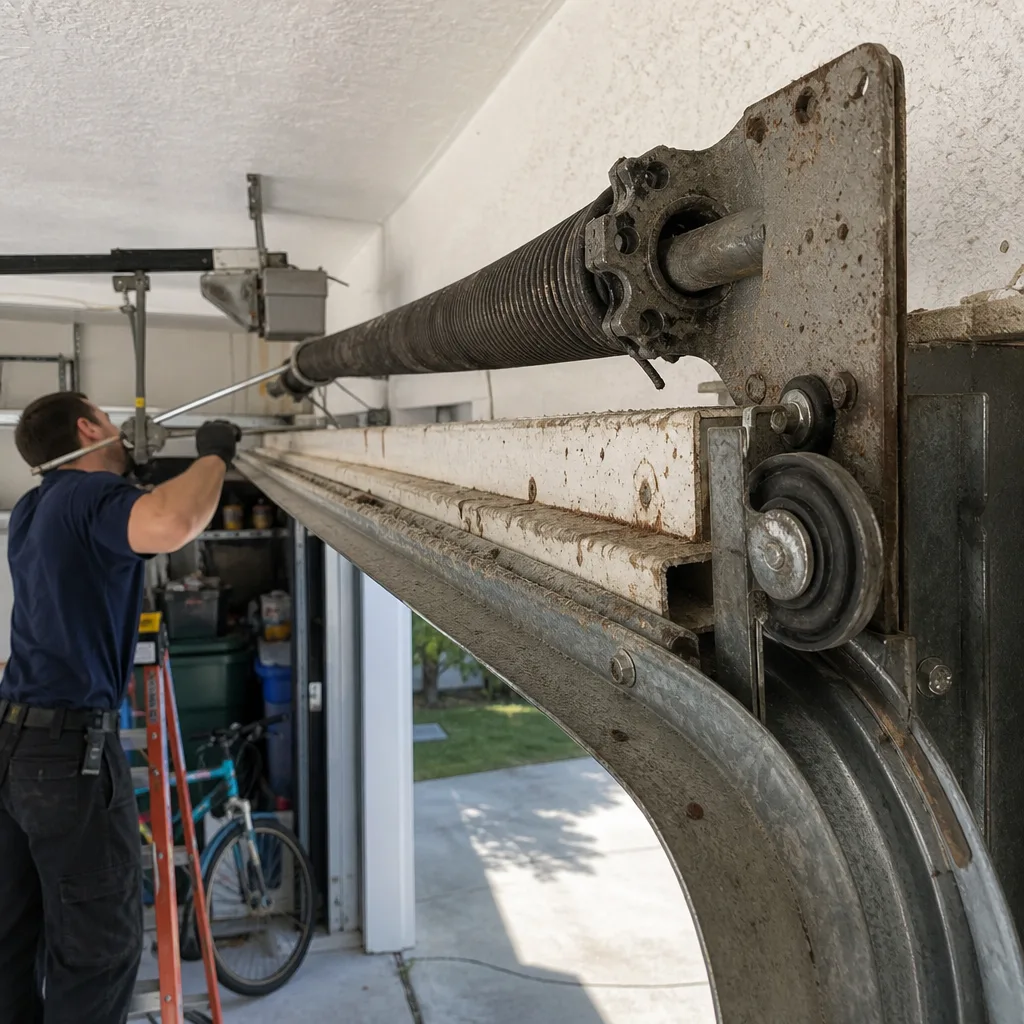 Before
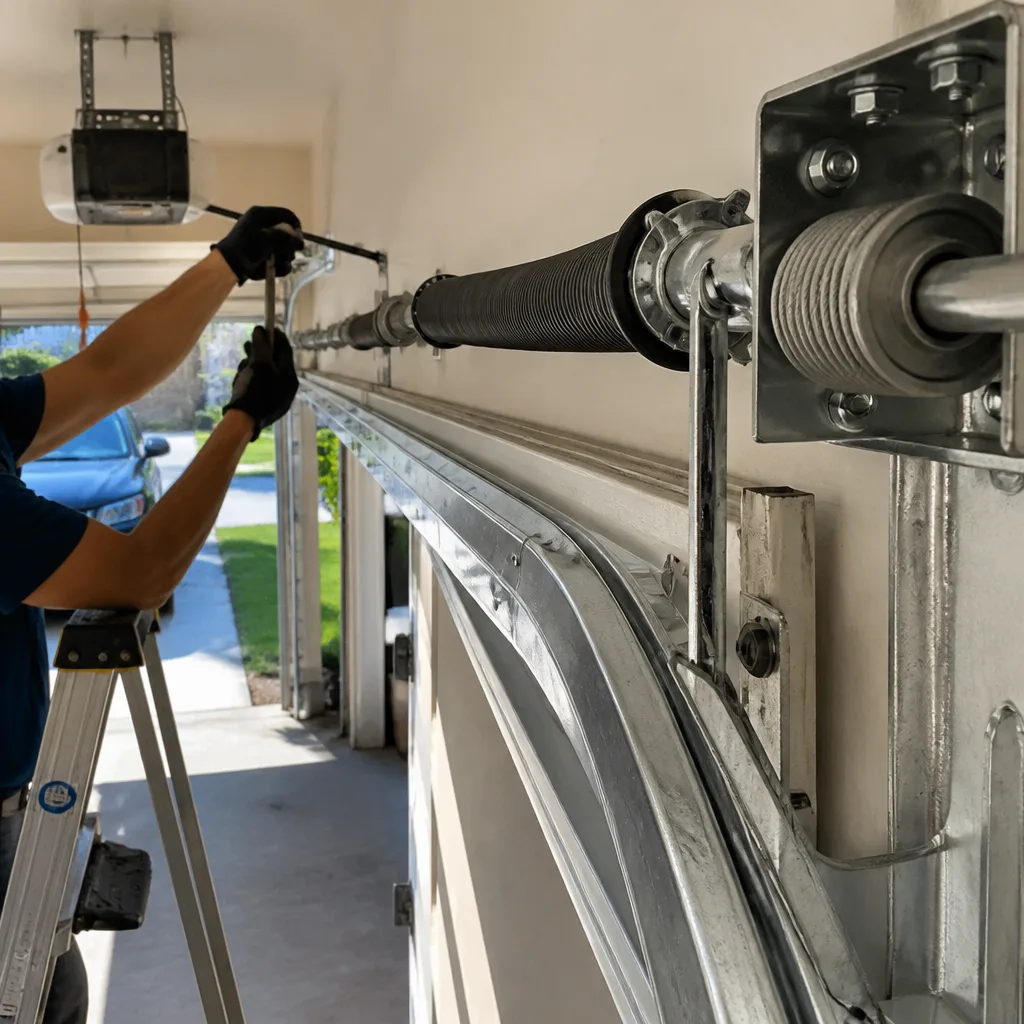 After
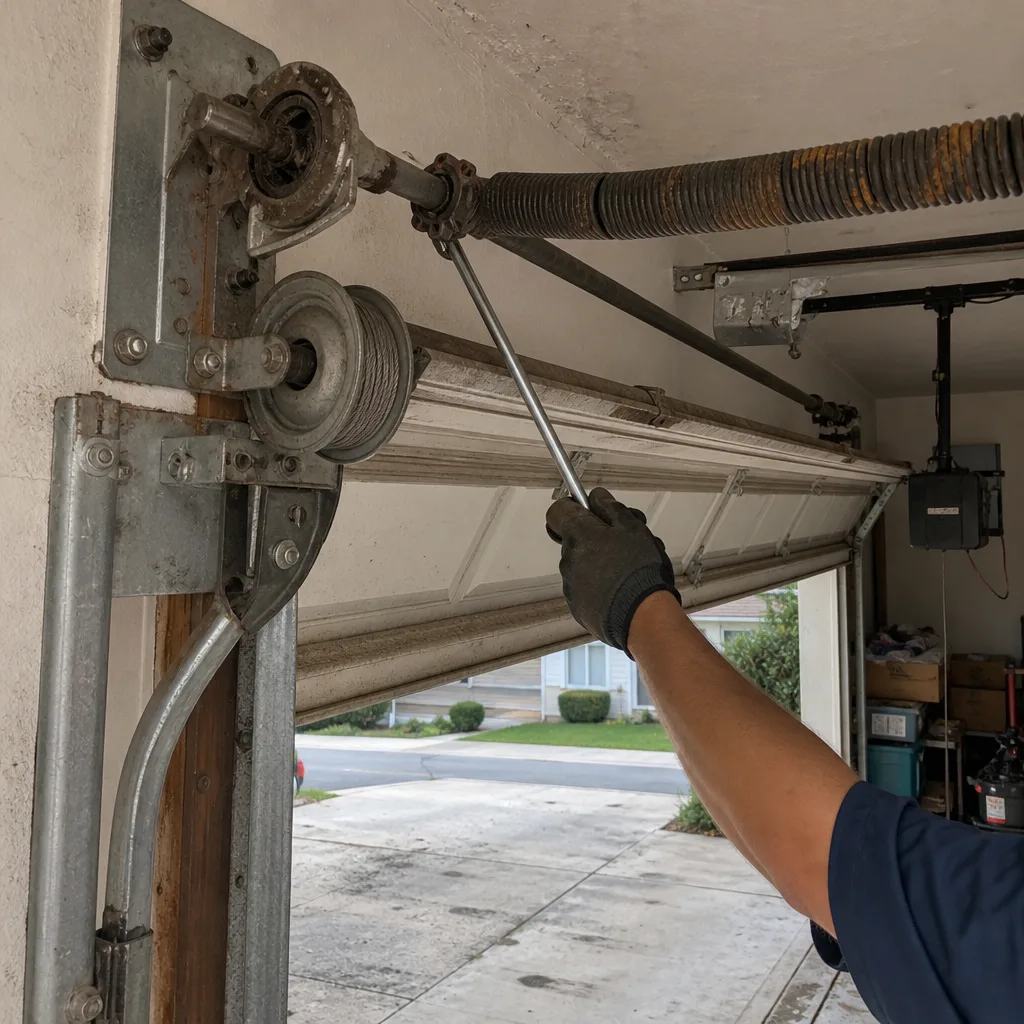 Before
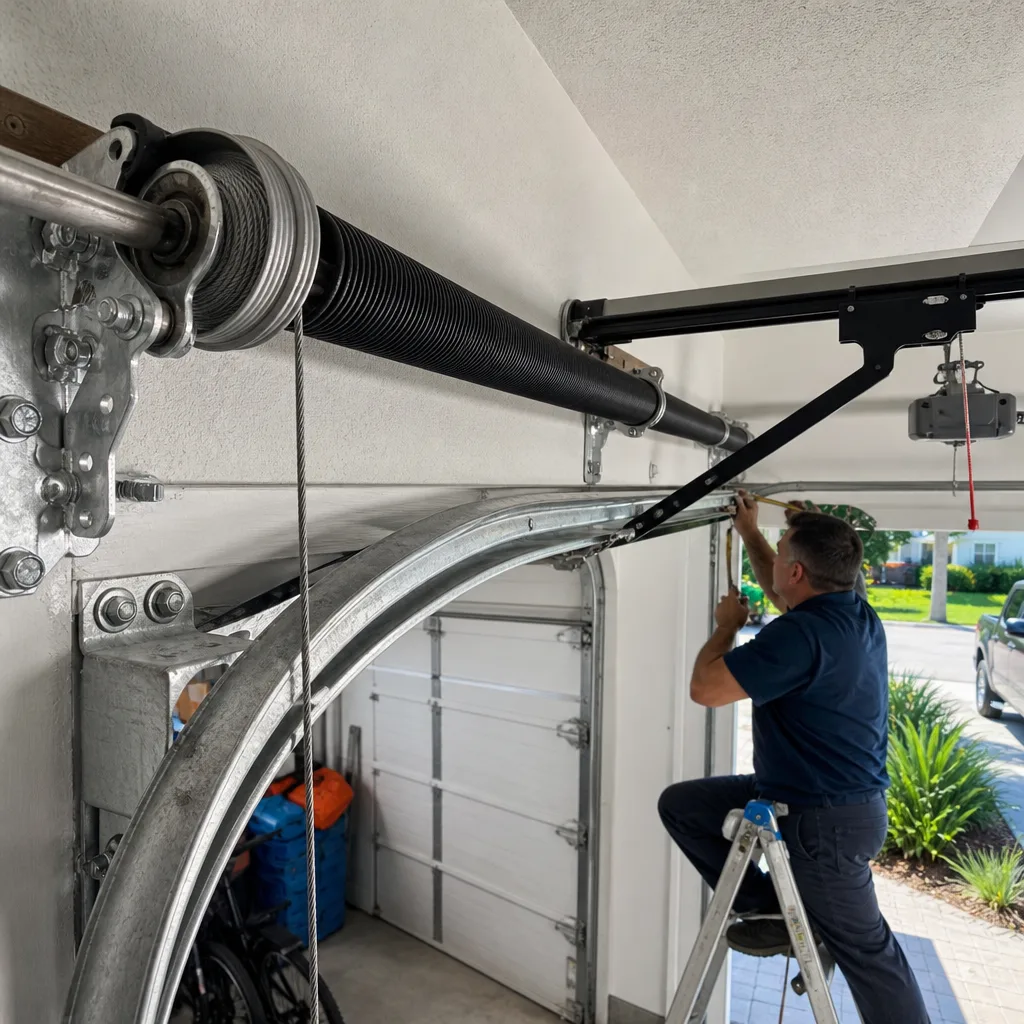 After
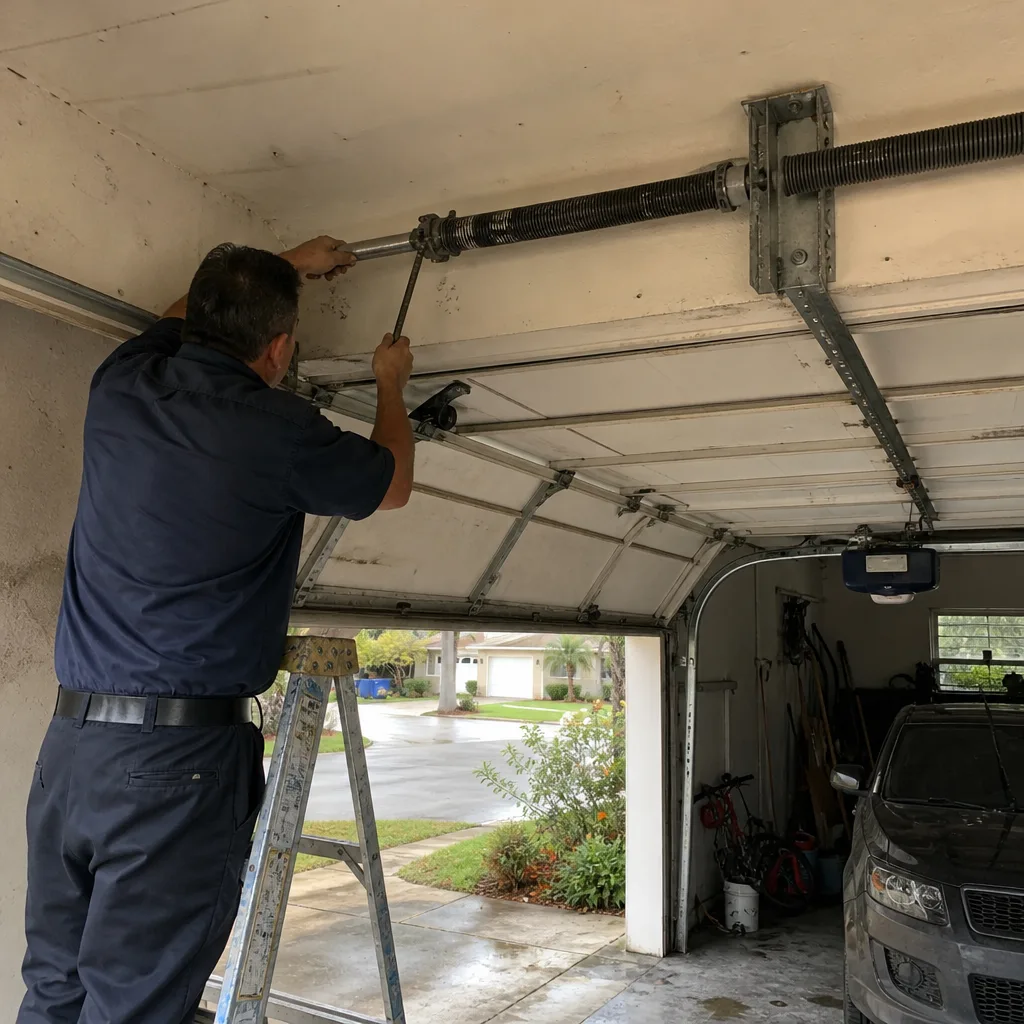 Before
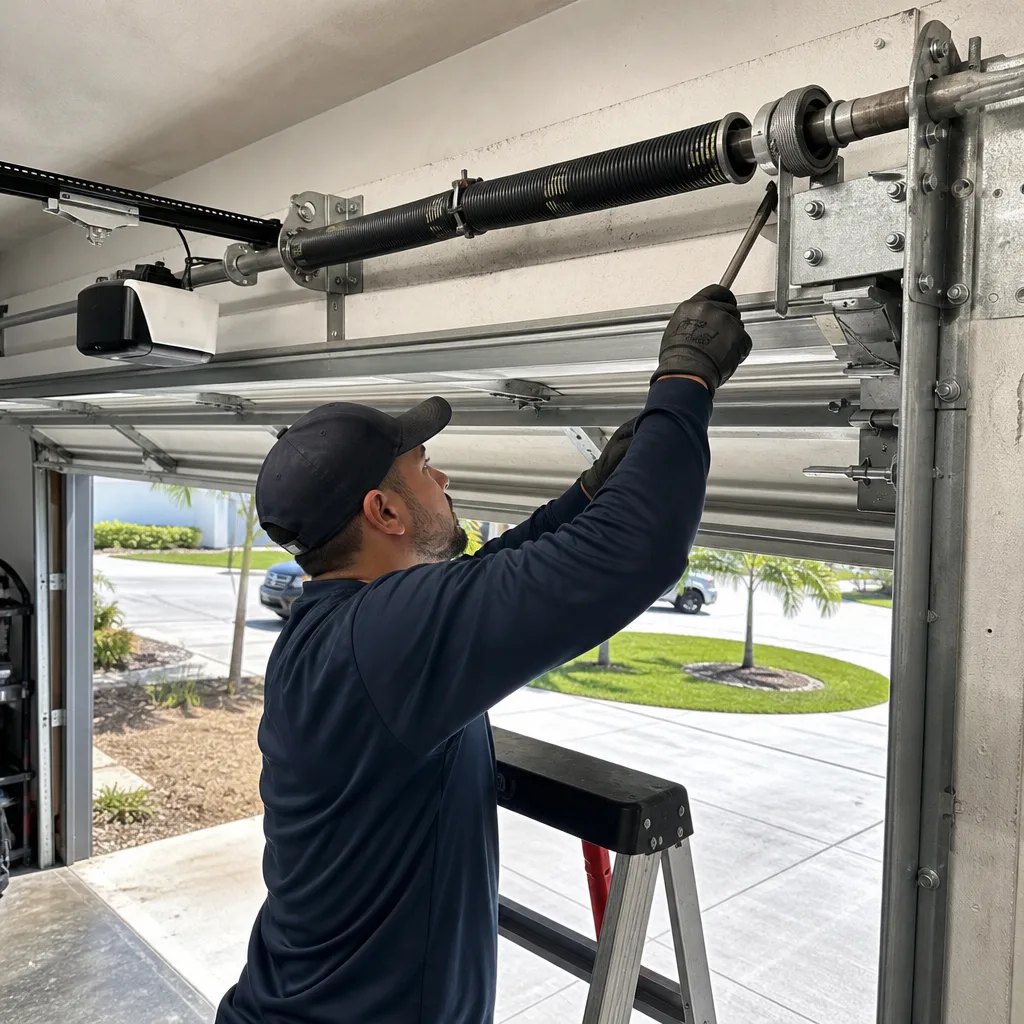 After
When to Call a Professional
If your replacement door involves any change in weight, size, or wind-load rating, you need a permit, and that means you need an installer who understands the Sarasota County process from start to finish. The same applies if you’re unsure whether your existing door installation is compliant, if you’re selling a home with an unpermitted door and need to remediate it, or if a storm damaged your door and you’re navigating an insurance claim that hinges on code compliance documentation.
Platinum Garage Door Service works with the brands already in your home, including LiftMaster, Chamberlain, Genie, and Clopay doors and openers, and we handle permitted installations in Sarasota with the documentation you’ll need at resale and for insurance purposes. We’re brand-agnostic: our technicians diagnose the system in front of them, not the one we prefer to sell. That repair-first approach applies to permitted door work as much as it does to repairs. Call (855) 341-5769 for a free estimate on permitted garage door replacement or installation. The price is quoted and agreed before any work begins, and we’ll tell you honestly whether your project needs a permit or qualifies as like-for-like.
Frequently Asked Questions
Yes, if the replacement changes the door’s weight, wind-load rating, or structural attachment to the home. In Sarasota County, a permit is required for full door and track replacement where the new assembly differs from the original in those characteristics. Pure panel replacement on the existing track often qualifies as like-for-like and may be exempt, but a quick call to Sarasota County’s building department confirms your specific situation. Call (855) 341-5769 if you’d like us to help you determine which category your project falls into.
Expect to pay $150 to $400 total in permit and inspection fees for a standard residential garage door replacement. The exact amount depends on the declared valuation of the work and whether plan review is required. The permit is always the least expensive part of the project, and skipping it creates costs four times higher at resale or after an insurance claim.
Most of Sarasota County requires a garage door with a design pressure rating of at least +55/-55 psf, and coastal exposure zones require higher ratings. The exact number for your address comes from Florida Building Code Section 1609 wind speed mapping combined with your exposure category. The door’s Florida Product Approval document will list the rating, and the inspector verifies it matches the requirement for your location.
No. An impact-rated door is a structural change to the building, and Sarasota County requires a permit for any door installation that changes wind-load characteristics. The permit ensures the door’s product approval is on file, the anchor schedule is followed, and the final installation is inspected for compliance.
The buyer’s home inspector may flag the unpermitted work by comparing the door’s apparent age to the permit history on record, and the buyer may then request remediation or a closing credit. Remediation typically costs $1,000 to $2,000, sometimes more if the existing installation doesn’t meet current wind-load code. Selling with proper permit documentation avoids this negotiation entirely.
Possibly not, and the denial can extend to interior damage that resulted from the door failure. Insurers in Florida have grounds to reduce or deny claims when damage relates to work done without permits or in violation of building code. A properly permitted, impact-rated door with complete documentation actually strengthens your position after a storm.
No. Openers are not structural components under the Florida Building Code, so replacing or adding an opener, whether it’s a LiftMaster, Chamberlain, or Genie, does not require a permit. The opener does have to meet electrical code requirements, and the door it operates still needs to comply with all wind-load and impact standards.
The Bottom Line
Florida treats garage doors as structural components because in a hurricane, that’s exactly what they are. Sarasota County enforces this through a permit process that hinges on three things: product approval documentation, correct anchor fastening, and a final inspection that verifies both. The permit costs a fraction of what remediation costs at resale or after a denied insurance claim, and the documentation it creates is an asset you’ll use later. If you’re replacing a door in Sarasota, verify the FL number before purchase, confirm the wind-load rating for your address, and use an installer who handles permitted work as a routine part of the job. For more guides & resources, visit our blog. That’s the difference between a door that opens and closes and a door that stands up to code, wind, and time.
Written by the team at Platinum Garage Door Service, serving Sarasota since 2015.