
Last updated October 30, 2026
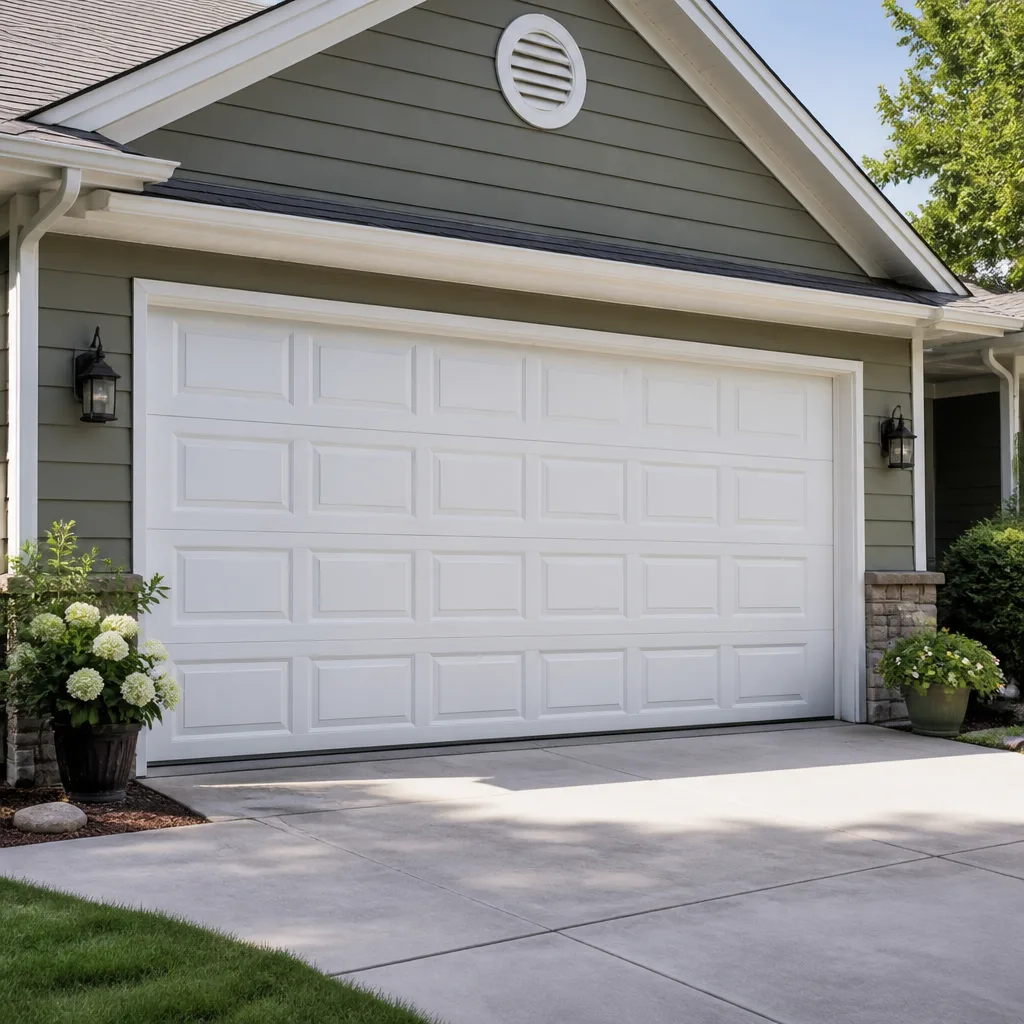 Raised-panel steel
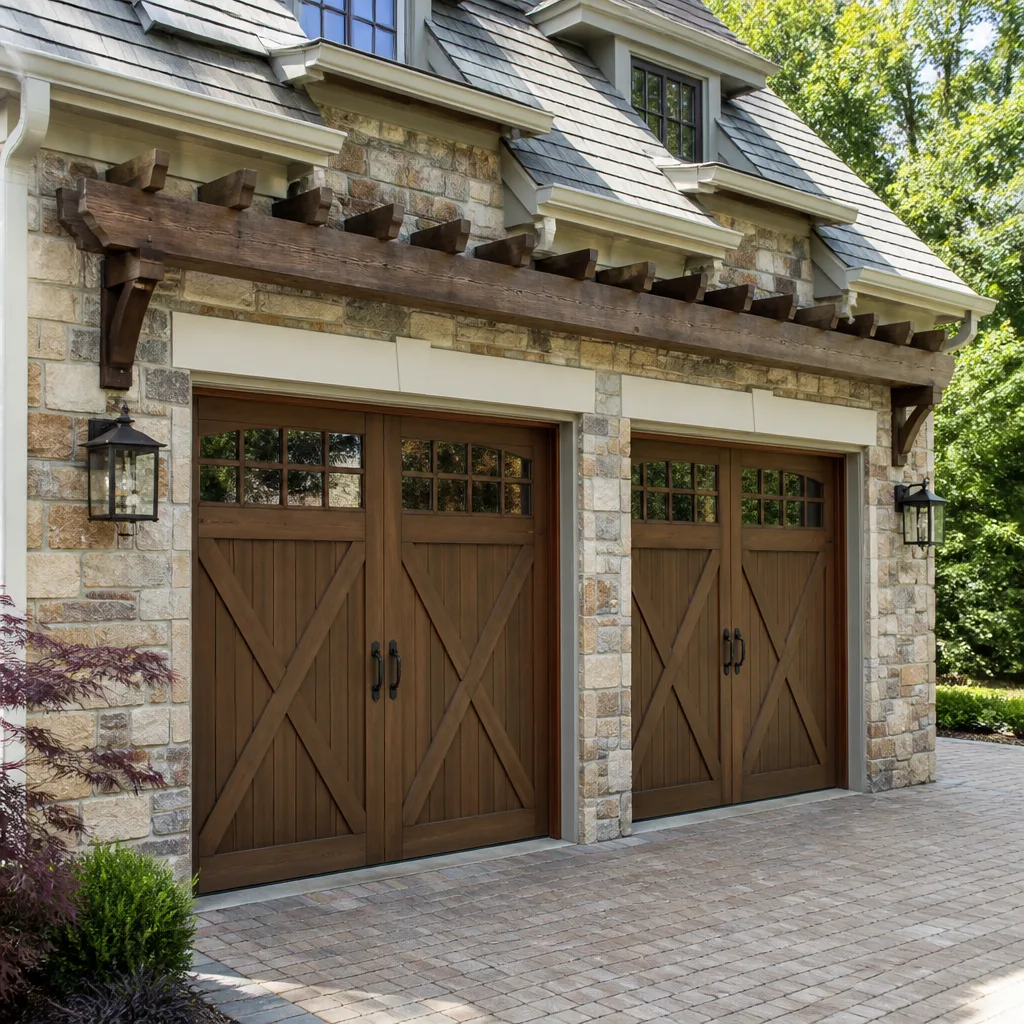 Carriage house
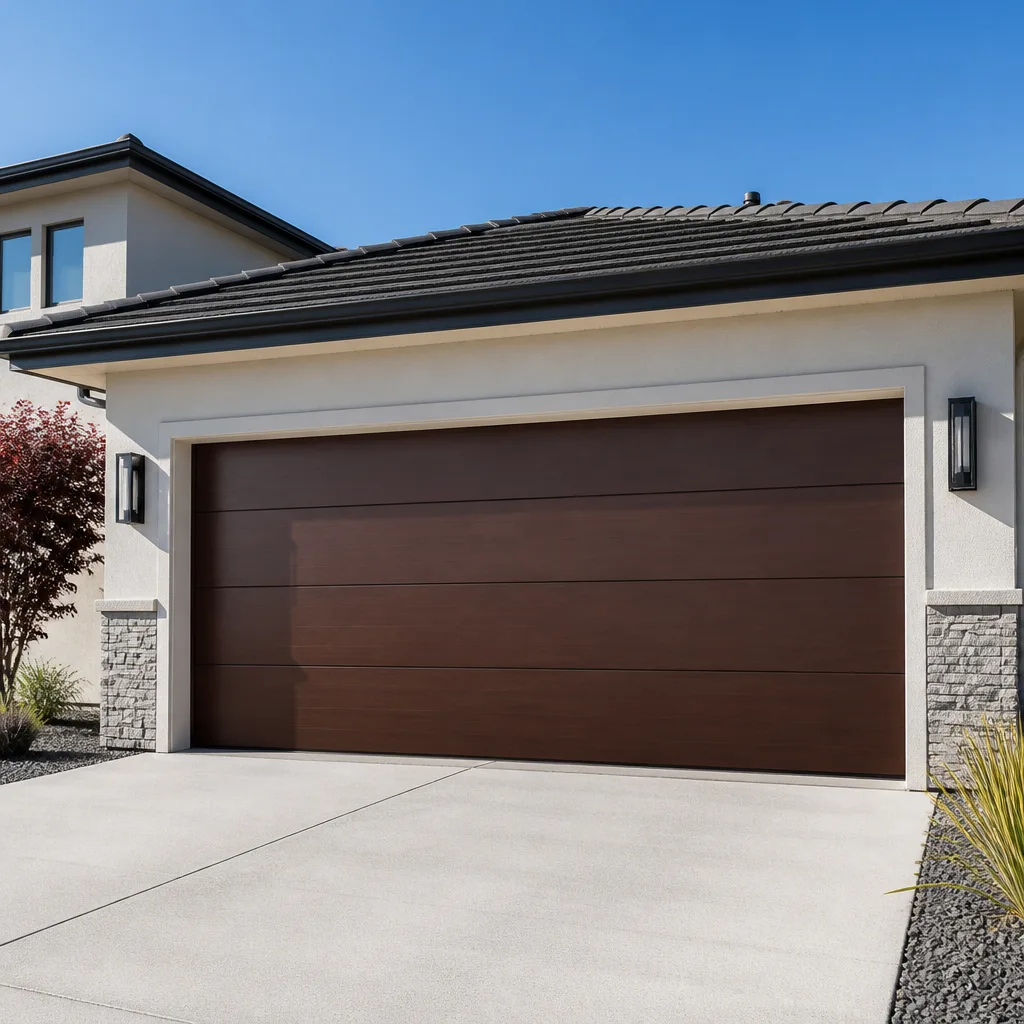 Modern flush
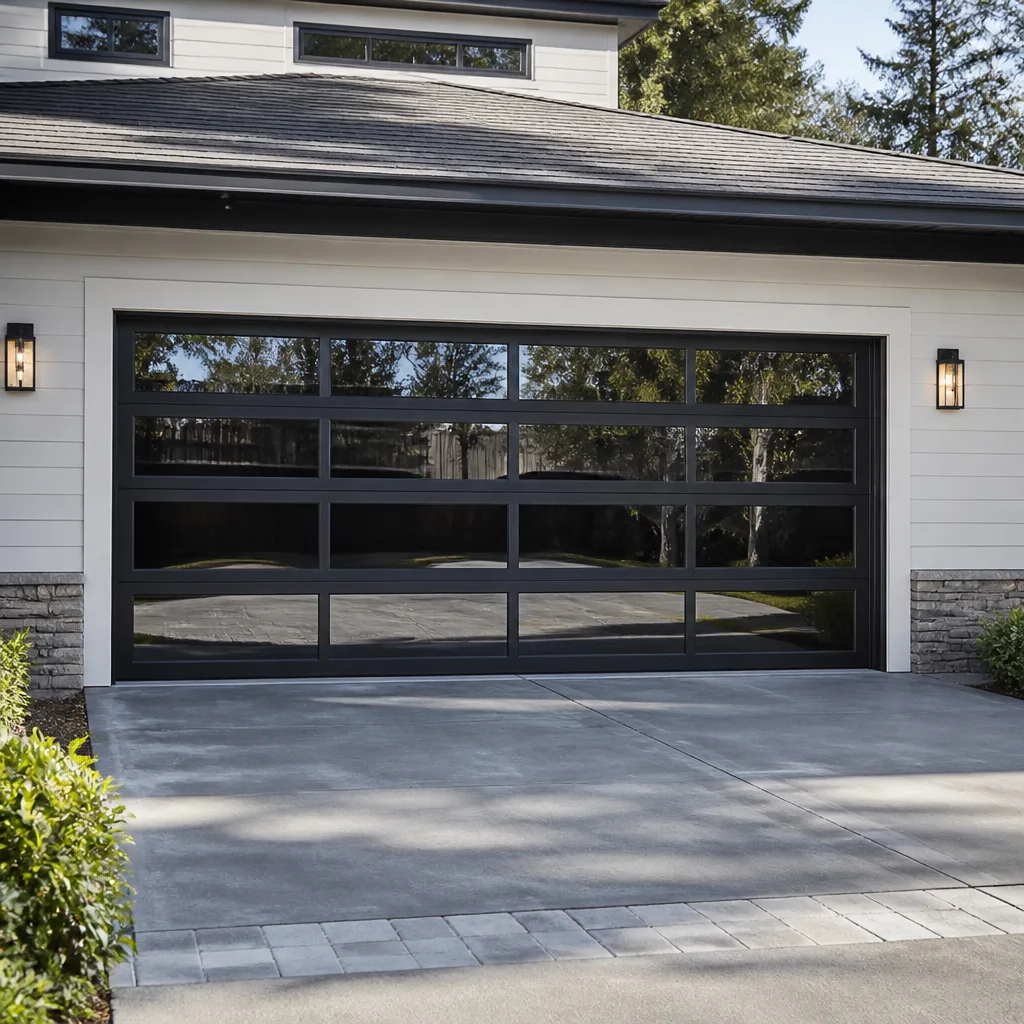 Full-view glass
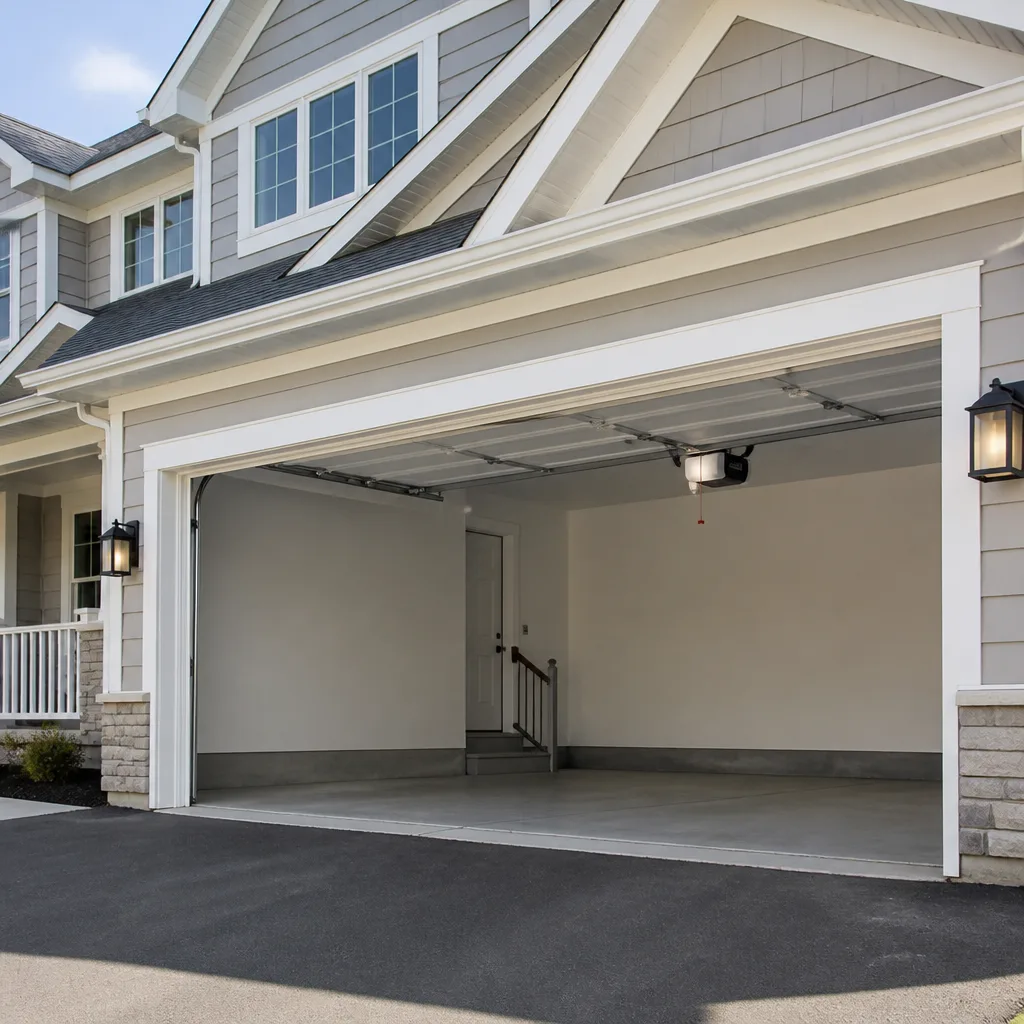 LiftMaster openers
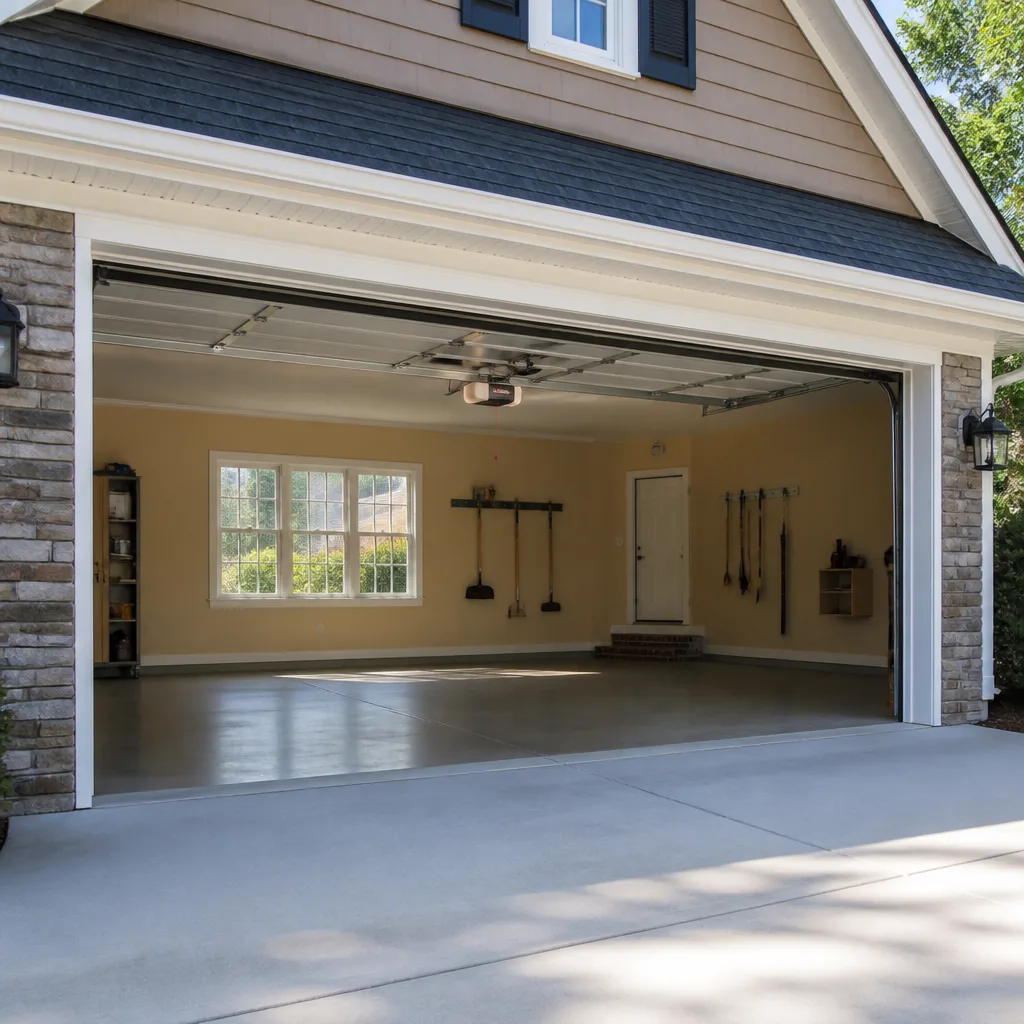 Chamberlain openers
Full 25-point door and opener safety check with every visit - springs, cables, rollers, tracks, and your LiftMaster or Chamberlain opener included
You get a price before we start. It does not change when the truck arrives.
Get your free estimateGarage Door Emergency Preparedness Guide for Sarasota Homes
After Hurricane Charley tore through Charlotte County in 2004, engineering teams from FEMA and the University of Florida walked through thousands of damaged homes. Their conclusion upended what most Florida homeowners believed about storm safety. The garage door wasn’t one casualty among many. It was the single most common point of catastrophic failure. When the door gave way, wind rushed into the garage, pressure built against the ceiling, and the roof lifted off the walls. Window failures didn’t collapse homes. Garage door failures did. This guide gives Sarasota homeowners a working plan for the component that matters most before, during, and after a named storm, and points you to more guides & resources for year-round garage door care.
Quick Answer
Garage door emergency preparedness in Sarasota means three things: confirming your door is wind-load rated for Sarasota County’s 150 mph requirements before hurricane season, knowing how to operate the door manually when power fails, and having a documented plan for bracing, evacuation, and post-storm inspection. Most single-car garage doors in older Sarasota neighborhoods like Southgate and Gulf Gate were installed without wind-load reinforcement and should be retrofitted or braced before season peaks in September.
Styles & brands we work with
Table of Contents
- Understanding Sarasota County Wind-Load Requirements
- Manual Operation When the Power Is Out
- Bracing Kits for Non-Rated Doors: What Actually Works
- Evacuation Protocol: Securing the Door Before You Leave
- Post-Storm Inspection: Before You Touch That Button
- Off-Season Testing and Maintenance Schedule
- Smart Opener Considerations During Emergencies
- Common Mistakes to Avoid
- When to Call a Professional
- Frequently Asked Questions
Understanding Sarasota County Wind-Load Requirements
Current Florida Building Code—detailed in our guide to Garage Door Permits, Codes & Inspections in FL: What You Need to Know—requires all new garage doors in Sarasota to withstand wind pressures consistent with a 150 mph design wind speed, which falls into the High Velocity Hurricane Zone wind-borne debris region. That’s stricter than much of the state, and for good reason. Sarasota sits on the Gulf coast, exposed to landfalling hurricanes moving northeast out of the Gulf of Mexico with minimal frictional slowdown before reaching the shoreline. If your door was installed before the 2007 code update, it may carry no impact rating at all. A door rated for 130 mph might be legal in Orlando or Tampa, but it doesn’t satisfy Sarasota’s baseline.
How to verify your current door’s rating:
- Look for the label first. Rated doors carry a permanent sticker or embossed plate on the interior face of the bottom or side stile, listing design pressure, impact rating, and the manufacturer. Clopay and Amarr stamp this information on a metal tag; Wayne Dalton typically places it near the bottom roller bracket on the interior side.
- Check the installation paperwork. If you still have the original invoice or permit from Garage Door Installation in Sarasota, the wind-load rating should be referenced there.
- Look for reinforcement stiles. Non-rated doors have flat horizontal rails. Wind-rated doors have visible vertical metal reinforcement struts bolted across each section, usually 22 to 26 gauge steel.
- If the label is missing or illegible, treat the door as non-rated. Guessing is a bad plan. Contact a technician who can identify the door by manufacturer markings and track style.
What if your door doesn’t meet Sarasota’s minimum? You have two paths. Replace the door with a rated model, which is the permanent solution and the one we recommend for any homeowner planning to stay in the home long-term. Or, for the current season, install a retrofit bracing system (discussed below) and plan replacement when budget allows. Don’t assume an unrated door will hold because it’s “heavy” or “feels solid.” Weight has almost nothing to do with wind pressure resistance. A heavy unrated door will fold inward like a notebook under sustained Category 3 gusts.
Manual Operation When the Power Is Out
Power outages are part of hurricane season in Sarasota. After the storm passes, FPL and the city can take days to restore service in neighborhoods like Lakewood Ranch or Palmer Ranch. Your garage door becomes a manual door during that window. Knowing how to operate it correctly matters, because doing it wrong turns a simple power outage into a spring repair call or worse—see our Garage Door Repair Troubleshooting: Common Problems and How to Fix Them for other common mistakes.
Every garage door opener installed since 1982 includes an emergency release cord, a red handle hanging from the trolley rail above the door. That red cord disconnects the door from the opener carriage, letting you operate the door by hand. The procedure:
- Ensure the door is fully closed. Never pull the release cord while the door is open. If the door is mid-travel, or if a spring is already broken, releasing the opener can send a heavy door slamming down.
- Pull the red cord straight down and away from the door. You’ll hear a click as the trolley disengages. On LiftMaster and Chamberlain openers, the release mechanism is a T-handle at the end of the cord. On Genie openers, it’s a pull-tab style release. On Raynor openers, the cord typically hangs near the motor head and releases with a firm downward tug.
- Test by lifting the door manually. A properly balanced door lifts smoothly with one hand to about waist height and stays there. If it feels heavy, drops back down, or refuses to stay open, the springs are likely broken or losing tension. Stop and call for service. Do not force the door.
- To reconnect, pull the cord toward the door and run the opener once. The trolley re-engages on the next cycle, usually with an audible snap. Running the opener once with the door disconnected will not damage anything.
If you’re evacuating and the power is still on, many homeowners prefer to disconnect the opener and operate the door manually for the duration of the storm threat. That’s a legitimate strategy for frequent power flickers. Just remember: manual operation bypasses the opener’s safety sensors and auto-reverse. You are the safety system when the door is on the release cord.
Bracing Kits for Non-Rated Doors: What Actually Works
Retrofit bracing is the most debated topic in hurricane garage door preparation. The basic product is a kit of vertical aluminum or steel posts that anchor to the floor and top jamb, pressing against the inside face of the door to resist inward deflection. Some kits use horizontal bars across the door. Others use diagonal struts. All of them promise wind resistance. Few of them actually deliver it.
Here’s what our technicians know from inspecting doors after Charley, Irma, and Ian. Vertical post bracing works when installed correctly. Four-post kits, with steel posts anchored into concrete with sleeve anchors and top brackets bolted into the header framing, significantly improve the wind resistance of an unrated double-wide door. They won’t bring a non-rated door up to code, but they’ll reduce the chance of a catastrophic failure by a meaningful margin. Single-post and two-post kits are less effective because the door can deflect between the posts. They provide some protection, but not enough to rely on for anything above Category 1.
Horizontal bar bracing, installed across the interior span of the door, provides the least protection. These bars stop inward bowing at the point of contact but leave the top and bottom sections free to deform. We’ve seen doors fold around horizontal bars like a taco shell. The bars stayed in place. The door didn’t.
What provides false security: taping windows, parking a car against the door from inside, or wedging 2x4s against the door and a toolbox. Tape does nothing for wind load. Cars block one section at best. Loose lumber becomes a missile when the door lets go. None of these are substitutes for a rated door or a properly engineered bracing system.
Post-storm, inspectors look specifically at bracing failures. If a braced door failed, they check whether the posts were anchored into concrete or just dry-set, whether top brackets went into solid framing or drywall, and whether the door sections themselves had sufficient thickness to distribute the load. Improperly installed bracing that fails creates debris and secondary damage that an unbraced door might not have produced. If you’re going to brace, brace correctly. If you’re unsure how to anchor correctly, Garage Door Repair in Sarasota technicians can advise before the storm, not after.
Evacuation Protocol: Securing the Door Before You Leave
Evacuation orders in Sarasota County aren’t suggestions. Zone A and Zone B, which include most of the barrier islands and low-lying mainland neighborhoods, face mandatory evacuation when storms approach. If you’re leaving, the garage door gets fifteen minutes of your time, not thirty seconds.
Step one: close the door completely and confirm both side seals are seated. A door sitting even an inch off the floor creates a wind scoop. Step two: lock the manual slide bolt or deadbolt if your door has one. Most modern doors do not come with these, but they can be added. Step three: if you have a bracing system, install it now, not the night before. Bracing installation takes 30 to 45 minutes on average. Doing it in the rain with the storm bands already arriving is how brackets end up loose.
Step four, and this is the part most people skip: disconnect the opener and put the door on the manual release. Here’s why. When the power fails during the storm and stays out, the opener trolley remains locked to the rail. If you come back in the aftermath and the door has shifted or the tracks are damaged, a powered opener trying to raise the door can tear sections off the track. A door on the manual release moves freely, which lets you feel resistance before serious damage occurs.
“Just lock it” is sufficient for a Category 1 storm with a rated door in good condition. For anything stronger, or for any unrated door, locking is the minimum step, not the plan. Wind pressure on a 16-foot wide double door at 130 mph exceeds 1,000 pounds of total force. A door lock holds maybe 300 pounds before the latch tears out of the track.
Post-Storm Inspection: Before You Touch That Button
The first instinct after a storm passes is to open the garage door and check the damage. Resist that instinct. The door is the single most dangerous component in your home after a wind event, and operating it without a visual inspection is how minor storm damage becomes a serious injury.
Inspect in this order, from outside to inside:
- Stand back and look at the door from the driveway. Is it sagging in the middle? Are the sections bowed inward or outward? Is one side lower than the other? Any visible deformation means the door has taken structural load. Do not open it.
- Check the track assemblies on both sides. Look for gaps between track and wall, loose bolts, bent vertical track sections, or track that appears wavy instead of straight.
- Look at the spring assembly above the door. Are both springs intact, or is one dangling in two pieces? A broken spring is obvious from a quick glance. A spring that looks fine but makes a grinding noise when moved is not fine. Do not touch the spring assembly. Torsion springs under tension contain enough stored energy to seriously injure or kill if released improperly.
- Check the cables on both sides of the door. These run alongside the bottom roller brackets up to the drum above. Look for frayed strands, kinks, or cables that have jumped off the drum.
- Only after all four checks pass should you operate the door. Open it manually on the release cord the first time, standing to the side of the door, not in front of it. Move it slowly. Stop at the first vibration, grinding sound, or uneven movement.
If any check fails, the door stays closed until a qualified technician arrives. Attempting to force an operation after structural damage is the most common cause of post-storm garage door injuries we see in Sarasota.
Off-Season Testing and Maintenance Schedule
Hurricane prep works best when it happens during hurricane season, but the underlying system maintenance happens in February and March, months before the first named storm forms. A door that’s balanced, lubricated, and operating smoothly in April—use our Garage Door Repair Maintenance Checklist for Sarasota Homeowners to stay on track—is far easier to brace or secure in August. A door that’s been stiff and grinding since January will fail when you need it most.
Twice-yearly maintenance, in March and September, covers:
- Balance testing: With the opener released, lift the door manually to half height. It should stay in place unassisted. If it drops, the springs need adjustment. If it rises, they’re overwound. Both are spring service calls.
- Roller and track inspection: Rollers should roll, not slide or wobble. Worn nylon rollers don’t look different from new until they fail. Listen for grinding during operation. Track bolts should be tight, and vertical tracks should be plumb.
- Cable inspection: Cables should be clean, tight, and seated on the drums. Rust on cables near the bottom brackets is a sign of salt exposure, common in Sarasota homes within five miles of the Gulf. Salt-rusted cables fail under load.
- Opener force settings: A properly adjusted opener reverses when it meets resistance. Test this monthly with a 2×4 laid flat under the closing door. If the door doesn’t reverse, the force setting is too high, which is a safety hazard and a sign the opener needs service.
- Weatherstripping and seal replacement: The rubber strip along the bottom of the door deteriorates faster in Sarasota’s UV exposure than in northern climates. Damaged seals admit wind-driven rain during storms, even when the rest of the door holds.
We recommend homeowners keep a written log of maintenance dates and observations. When a storm is approaching and you’re deciding whether the door can ride it out, that log gives you an honest baseline rather than a guess.
Smart Opener Considerations During Emergencies
Smart garage door openers create a specific problem during hurricane emergencies that legacy openers never had: they depend on Wi-Fi networks that go down when the power goes out. A LiftMaster opener with MyQ, a Chamberlain with built-in Wi-Fi, or a Genie Aladdin Connect system will tell you the door is closed from a phone app right up until the network fails. After that, the app is dead and the opener behaves like any other wall-button unit.
Here’s what matters for hurricane planning. Battery backup is not standard on most smart openers. LiftMaster offers battery backup on some models as built-in; Chamberlain includes it on higher-end belt-drive units; Genie offers it as an add-on for Aladdin systems. If your opener doesn’t have battery backup, it will not operate when the power is out, smart app or not. You’ll be pulling the release cord and running the door manually.
If you do have battery backup, test it before hurricane season. The test procedure varies by brand. LiftMaster and Chamberlain battery units have a test button on the motor head that runs the opener on battery alone. Genie Aladdin battery backup systems show battery status in the app. Replace batteries that fail a load test before season starts.
One more consideration: smart openers log every operation. If you’re away during a storm and the system briefly reconnects when cell towers come back, you may see activity alerts for door operations you didn’t perform. That’s usually a neighbor or a service provider, or a power surge triggering a false open/close cycle. Call and ask before assuming you’ve been broken into. But also: if the app shows the door open after the storm, treat that as accurate until verified. We’ve been called to homes after every major storm for “door won’t open” when the real problem was the door had been knocked off its track and the app knew before the owner did.
For opener-specific diagnostics, Garage Door Opener Repair in Sarasota covers everything from legacy pull-chain units to current Wi-Fi and MyQ-equipped systems.
Common Mistakes to Avoid
- Assuming an older door meets current Sarasota wind codes. Code applies at installation, not perpetually. A door installed in 1995 meeting 1995 standards is a legally non-compliant door in 2026. Verify or replace.
- Pulling the emergency release cord while the door is open. The release cord disconnects the door from the opener. If the springs are weak or the door is open, you now have a 150 to 300 pound panel coming down in free fall.
- Waiting until a hurricane watch is posted to schedule door service. Service calendars fill weeks before a storm. The best time to address a door issue is in April, when the weather is good and appointments are easy to get in Sarasota.
- Relying on the garage door as the home’s primary storm barrier. The garage door is the weakest wall of the house. Even rated doors are weaker than block walls. Your plan should anticipate the door being compromised in any storm above Category 2.
- Operating a storm-damaged door without inspection. A door that survived the storm may have a cracked section, a bent track, or a spring ready to snap. The two-minute inspection described above is not optional.
- Assuming “impact-rated” means “indestructible.” Impact ratings mean the door won’t shatter or fold at the rated pressure. They don’t mean the door is immune to wind-blown debris, storm surge, or a branch through a section. A rated door can still be damaged beyond operation.
- Ignoring the bottom seal. A door with a deteriorated or missing bottom seal admits wind and water even when closed, and wind entry through a two-inch gap under a 16-foot door can dramatically change pressure inside the garage.
When to Call a Professional
Call a professional if your door shows any of these signs before or after a storm: visible panel damage, bent or pulled-away track, a broken or unwound spring, frayed cables, a door that won’t stay open manually, or an opener that reverses immediately or won’t lift the door. Call if you can’t locate the wind-load label and need verification. Call if you’re considering bracing and want it anchored correctly. And call after any storm that produces hurricane-force winds at your home, even if the door appears intact. A post-storm inspection catches problems that visual checks miss. Platinum Garage Door Service home offers free estimates in Sarasota. Call (855) 341-5769 to schedule service or talk through what you’re seeing.
Frequently Asked Questions
Sarasota County falls within the Florida High Velocity Hurricane Zone, which requires wind-load rated garage doors designed for 150 mph design wind speeds and wind-borne debris impact resistance. If your door predates the 2007 Florida Building Code update, it may not meet this standard. Check the door’s permanent label for design pressure and impact rating information, and if it’s missing, a technician can identify the door’s rating by manufacturer and construction style.
Yes, every modern garage door opener includes an emergency release cord, usually a red handle hanging from the trolley rail above the door. Pull it down to disconnect the door from the opener, then operate the door by hand. Never pull the release while the door is open or mid-travel. Reconnect by running the opener once after power is restored. If the door feels heavy or drops when released manually, the springs need service.
Vertical post bracing kits, when properly anchored into concrete and structural framing, significantly improve the wind resistance of a non-rated garage door. Horizontal bar kits provide limited protection because the door can deform around the bars. Two-post and one-post kits also provide less protection than four-post systems. No retrofit bracing brings a non-rated door up to current building code, but correct bracing is a meaningful improvement over an unbraced door in storms up to Category 2.
Yes, if you’re evacuating, pulling the emergency release cord and putting the door on manual operation is the safer choice. When power is out and the door has shifted or the track is damaged, a powered opener attempting to raise the door can cause additional damage. Manual operation lets you feel resistance immediately and stop before breaking something. The release cord procedure is described in the manual operation section above.
Inspect before operating. Check the door for visible sagging or bowed sections from the outside. Check the tracks for bends or gaps where they’ve pulled from the wall. Look at the springs for breakage, feel for grinding when the door moves, and check cables for fraying. Only after all checks pass should you operate the door, preferably manually and standing to the side. If anything fails, have it serviced before using the opener.
Only if the opener has battery backup. LiftMaster, Chamberlain, and Genie offer battery backup on select models or as add-on units. Without battery backup, the Wi-Fi app is disabled along with the opener when power fails, and manual operation via the release cord is your only option. Test battery backup before hurricane season. For opener-specific diagnostics, Garage Door Opener Repair in Sarasota covers current smart-home systems.
The Bottom Line
Sarasota’s hurricane exposure makes the garage door the first structural component to plan for, not the last. Verify your wind-load rating, know your manual release procedure, maintain your springs and cables on a schedule, and inspect before operating after any storm. Non-rated doors are fixable with retrofit bracing for the short term and replacement for the long term. Power outages demand manual operation skills. And the safety reality is non-negotiable: any high-tension spring or cable issue warrants professional service, not DIY effort. For a free estimate in Sarasota, call (855) 341-5769.
Written by the team at Platinum Garage Door Service, serving Sarasota since 2015.
See the difference
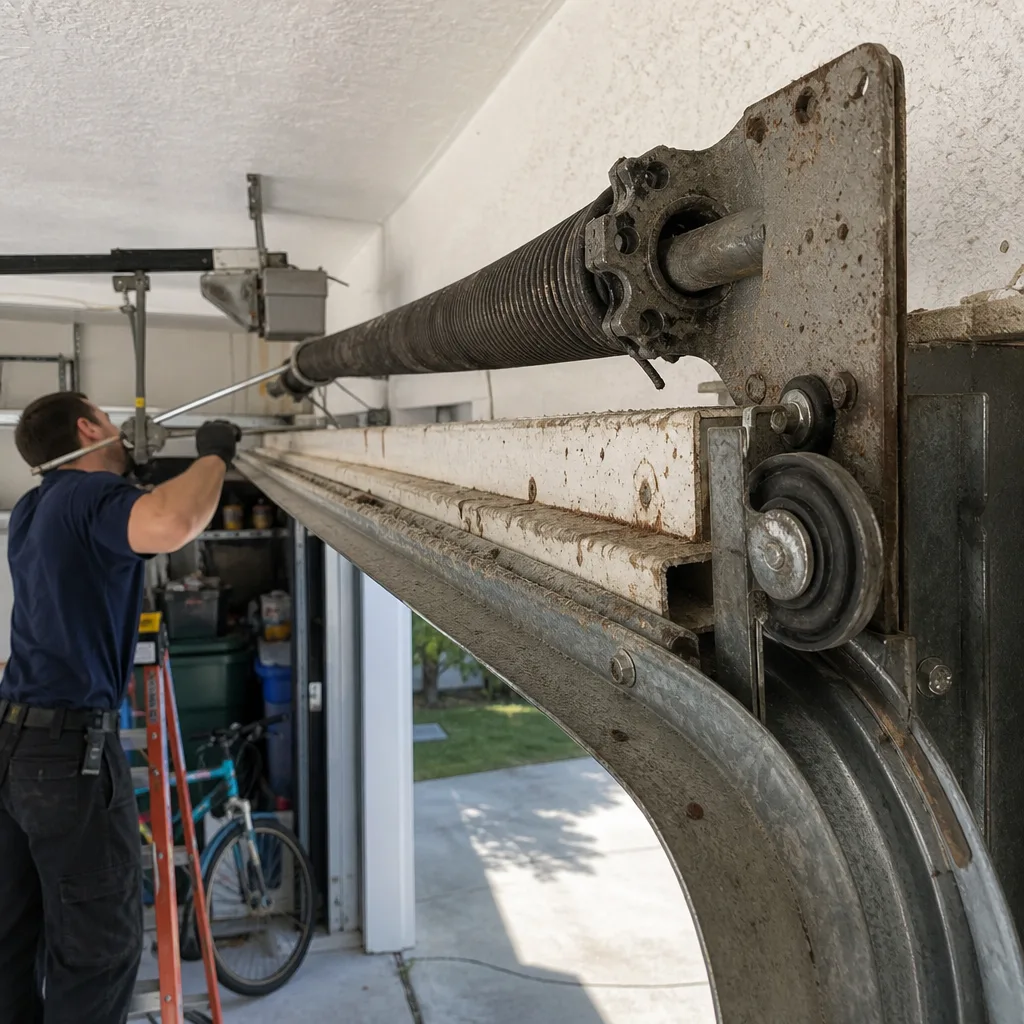 Before
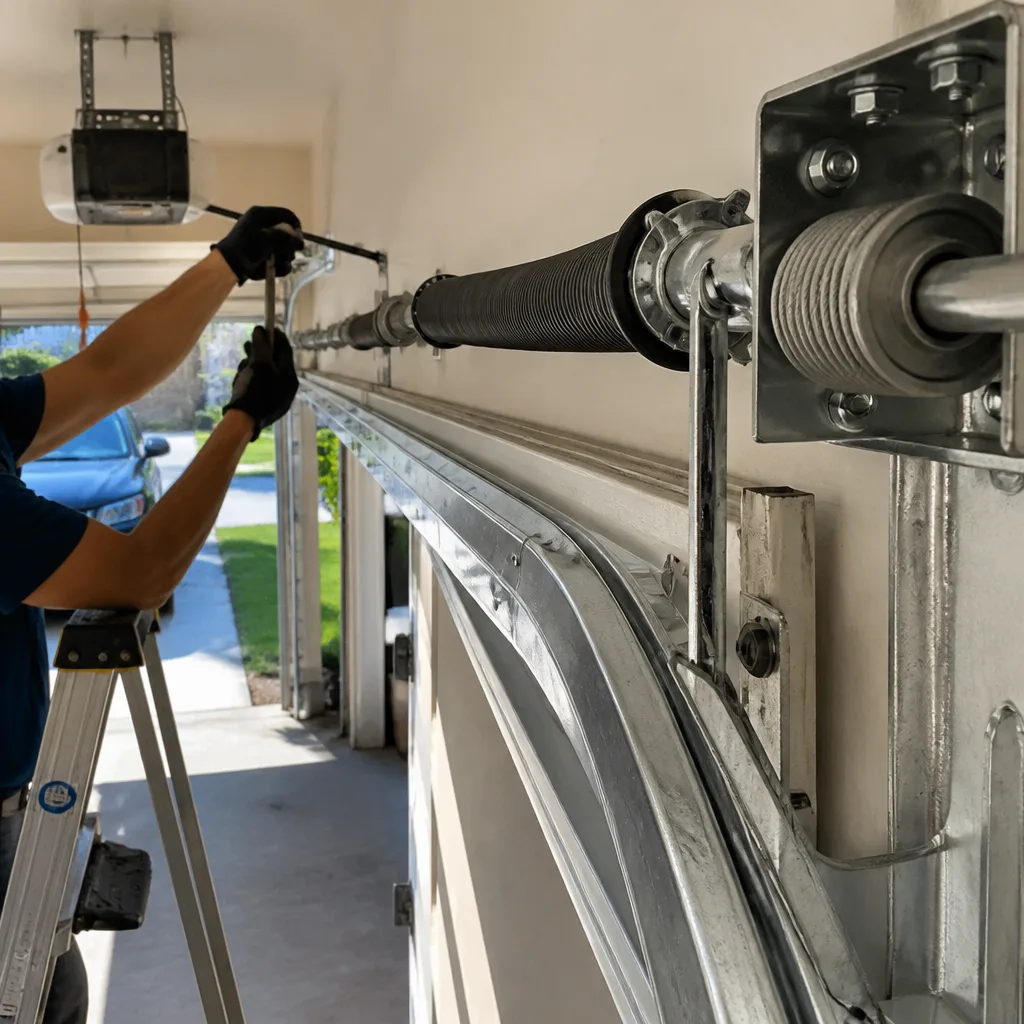 After
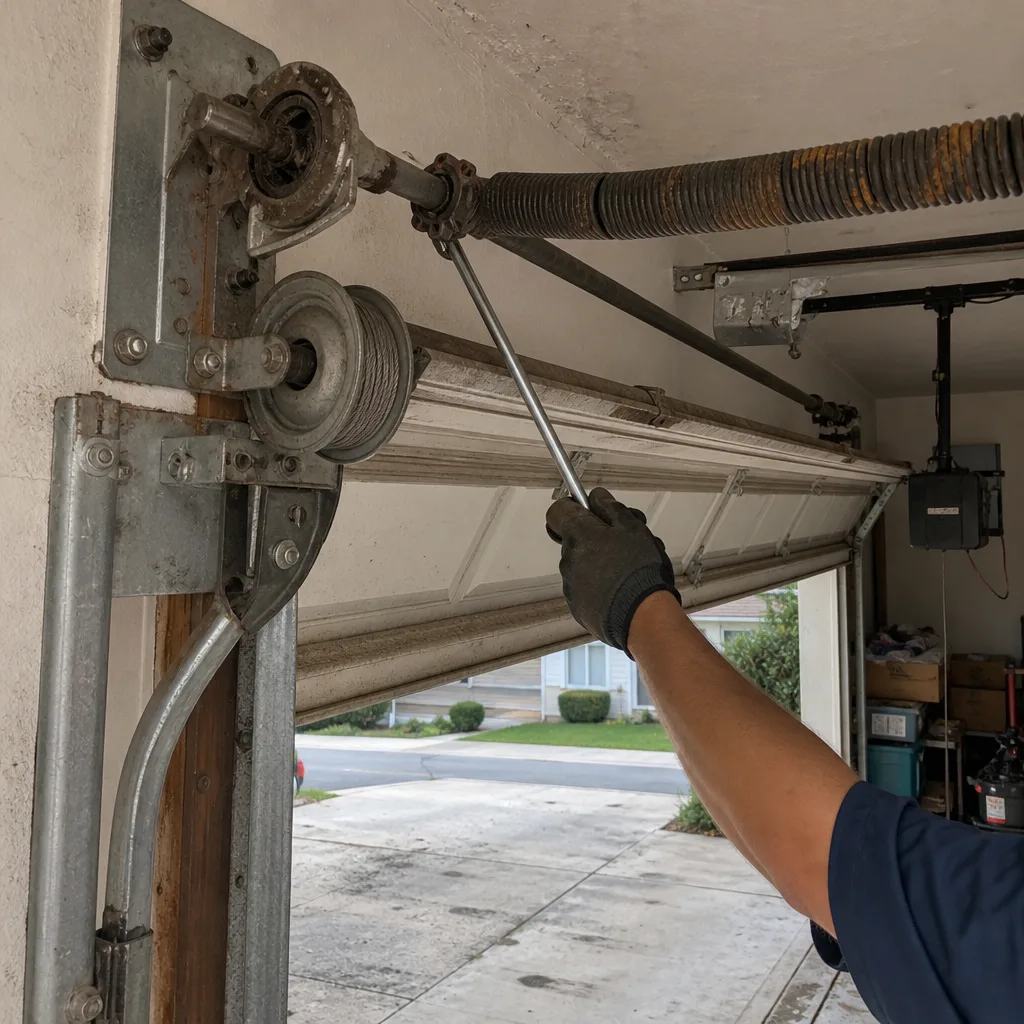 Before
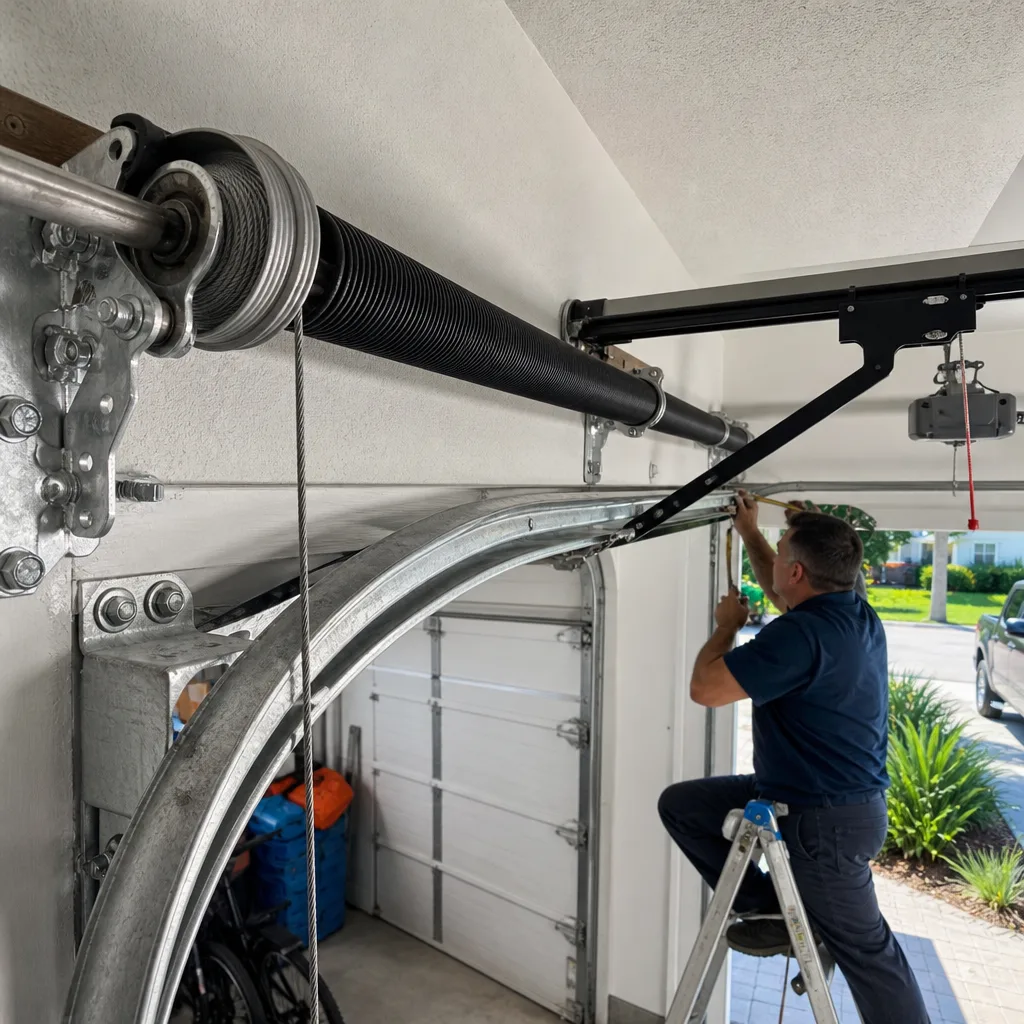 After
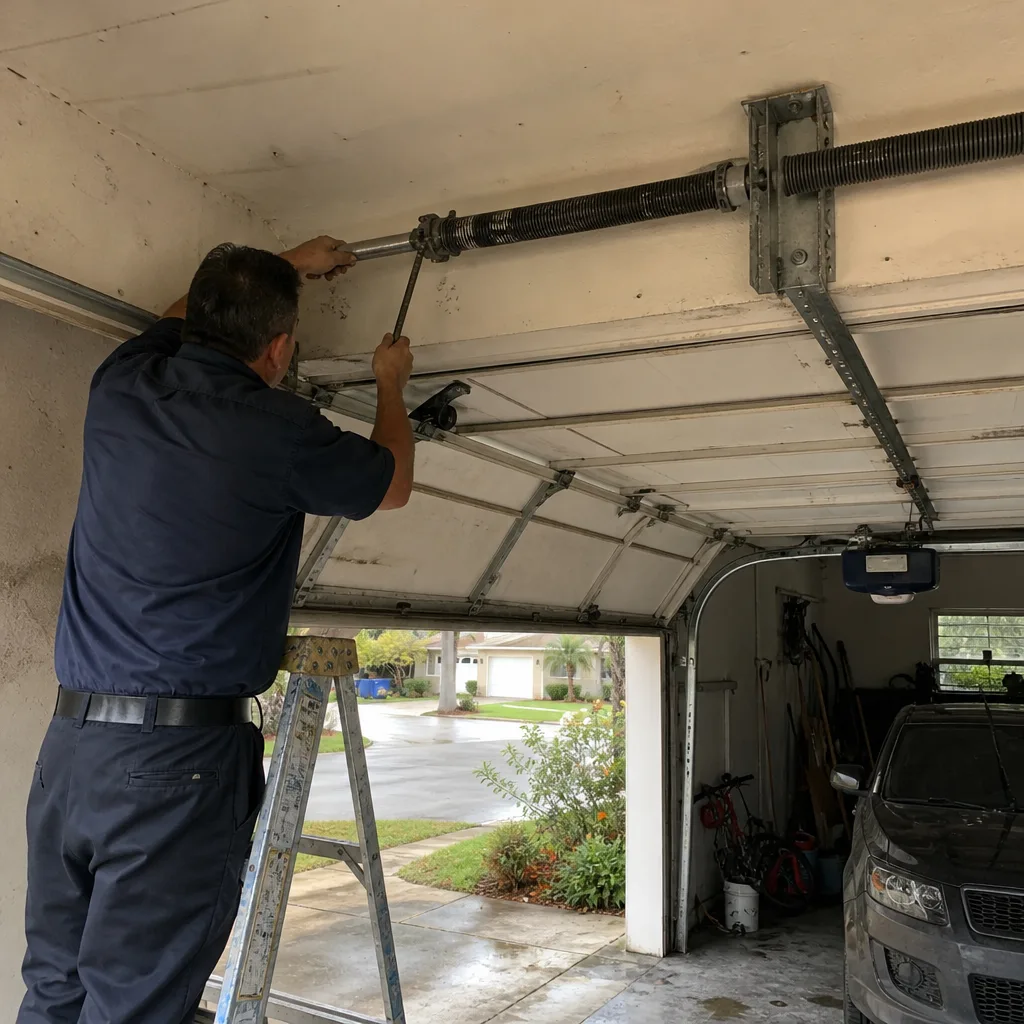 Before
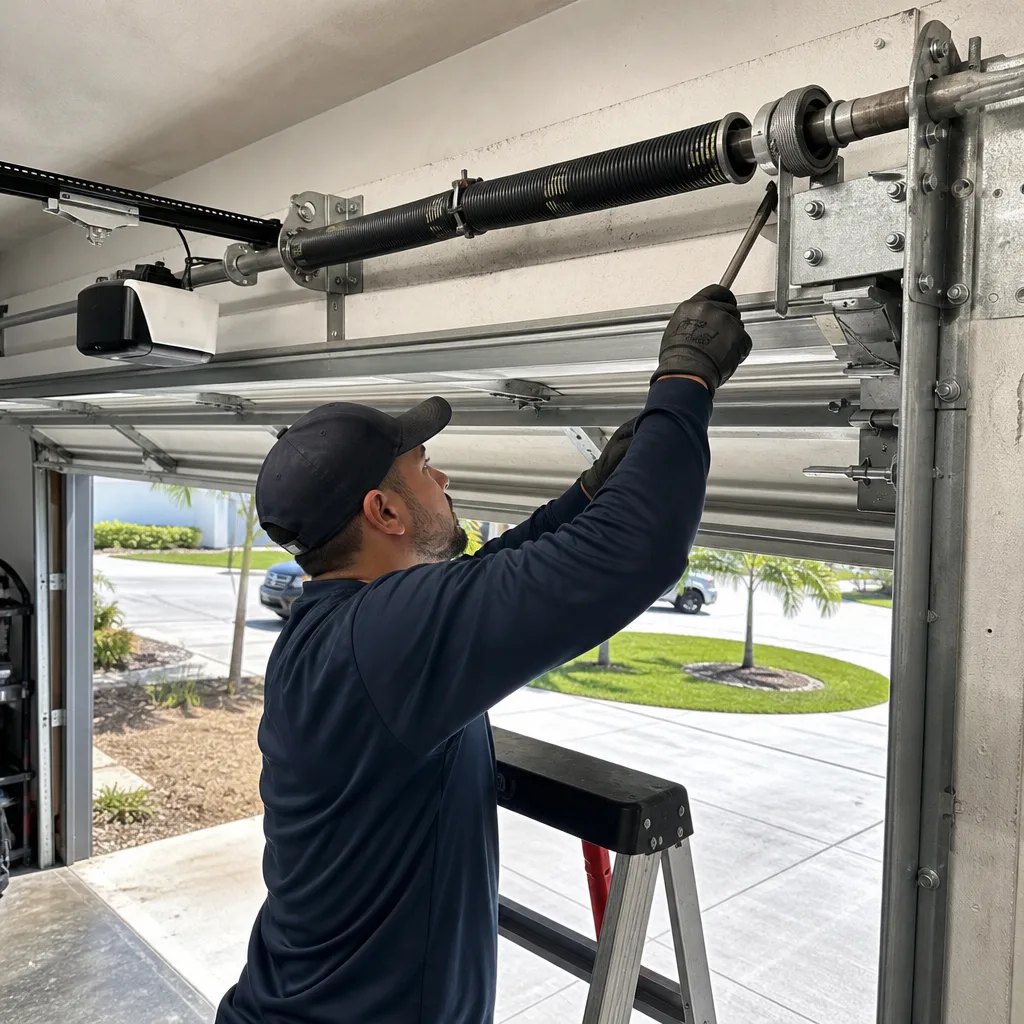 After